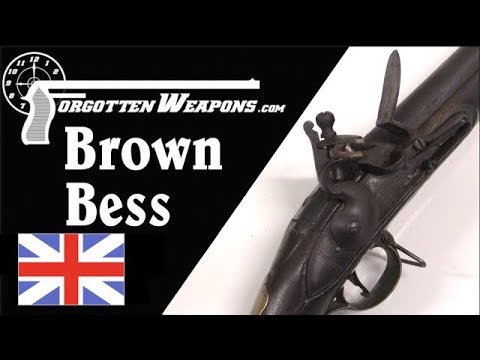
1805 Harpers Ferry Flintlock pistol

Published on June 26, 2020
Duration: 25:46

This guide details the black powder loading process for the 1805 Harpers Ferry Flintlock pistol and provides expert troubleshooting for common 'flash in the pan' misfires, as demonstrated by Hickok45. It emphasizes safety and proper maintenance for historical firearms.


Quick Summary

The 1805 Harpers Ferry Flintlock pistol, a .58 caliber single-shot firearm, was the first US handgun made by a national arsenal. Loading involves black powder, a patched round ball, and priming powder. Misfires ('flash in the pan') are fixed by cleaning the flash hole and ensuring proper flint/frizzen function.

Chapters

  1. 00:00Introduction & Initial Shooting
  2. 01:04Historical Significance
  3. 02:37Clarification & Replicas
  4. 04:11Military Service & Use
  5. 06:09Design & Ergonomics
  6. 08:18Evolution of Handguns
  7. 09:27Loading & Maintenance
  8. 11:17Final Shots & Legacy

Frequently Asked Questions

How do you load a Harpers Ferry Flintlock pistol?

Load the Harpers Ferry Flintlock by first pouring measured black powder into the barrel, followed by a patched round ball seated firmly with a ramrod. Prime the pan with priming powder before attempting to fire. Always ensure the firearm is unloaded before starting.

What causes a 'flash in the pan' with a flintlock pistol?

A 'flash in the pan' typically occurs when the priming powder ignites but fails to ignite the main charge. This is often due to a blocked flash hole, insufficient priming powder, or a poorly seated flint/frizzen contact.

How can you fix a 'flash in the pan' misfire?

To fix a 'flash in the pan,' remove the cap/flint, clean the flash hole with a vent pick, ensure the flint is sharp and properly seated, and re-prime the pan. Then, attempt to fire again.

What is the historical significance of the 1805 Harpers Ferry pistol?

The 1805 Harpers Ferry pistol was the first US handgun manufactured by a national arsenal, predating Springfield Armory. It served extensively with US cavalry during the War of 1812 and remained in service through the early Civil War.

More Training & Techniques Videos You Might Like

More from hickok45

View all →