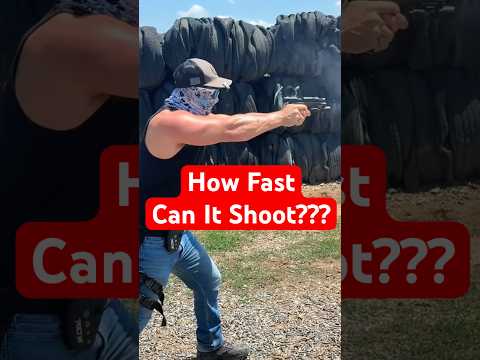
Are You Training For A Real Gunfight?: Into the Fray Episode 177

Published on July 31, 2017
Duration: 1:24

This video emphasizes that true gunfight training differs from precision target practice. It advocates for short-range, fast shooting to achieve combat-effective hits. Post-engagement actions are crucial, including seeking cover, moving to a tactical advantage, and contacting 911. The use of reactionary polymer targets is highlighted for their ability to provide immediate feedback without dangerous ricochets.

Quick Summary

Training for a real gunfight involves short-range, fast shooting to achieve combat-effective hits, unlike precision target practice. Post-engagement, immediately seek cover, move to a tactical advantage, and call 911. Reactionary polymer targets are ideal for this type of training.

Chapters

  1. 00:00Introduction: Training for a Real Gunfight
  2. 00:14Target Practice vs. Gunfight Training
  3. 00:22What a Real Gunfight Looks Like
  4. 00:32Post-Engagement Actions: Cover and 911
  5. 00:45The Importance of Training for Gunfights
  6. 00:47Short Range, Fast Shooting Explained
  7. 00:52Using Reactionary Polymer Targets
  8. 01:06Conclusion and Subscription

Frequently Asked Questions

What is the difference between target practice and gunfight training?

Target practice often involves shooting small groups at longer distances, like 25 yards. Gunfight training, however, focuses on short-range, rapid shooting to achieve combat-effective hits, simulating the dynamic and urgent nature of a real confrontation.

What are the key elements of training for a real gunfight?

Training for a real gunfight emphasizes short-range, fast shooting to place combat-effective rounds on target. It also includes crucial post-engagement actions such as immediately seeking cover, moving to a position of tactical advantage, and contacting 911.

Why are reactionary polymer targets recommended for gunfight training?

Reactionary polymer targets are recommended because they provide immediate visual feedback by tipping over when hit. This allows for rapid follow-up shots and avoids the dangerous spray-back associated with steel targets, making them safer for close-range, high-volume training.

What actions should be taken immediately after a gunfight engagement?

Immediately after a gunfight engagement, the priority is to secure your safety. This involves looking for cover, moving to a position of tactical advantage, and then contacting 911 to report the incident and request assistance.

More Training & Techniques Videos You Might Like

More from USCCA

View all →