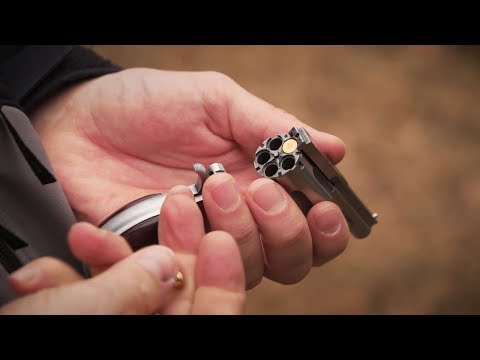
Bad Brass? What to Look For | Guns & Gear Bonus Tip

Published on April 8, 2024
Duration: 4:55

This guide details how to identify brass that is unsafe for reloading, focusing on visual cues like case splits and loose primer pockets. It emphasizes that brass fired in incorrect chambers or subjected to excessive pressure can become unreloadable. The video also touches on the expected lifespan of brass for high-pressure cartridges like the 7 PRC.

Quick Summary

Unsafe brass for reloading exhibits significant case splits, particularly in the thickest sections, and cracks in the neck. Loose primer pockets, where primers seat with minimal resistance, are a critical sign of over-pressure and make brass unsuitable for reuse. Always inspect brass thoroughly before reloading.

Chapters

  1. 00:06What is Bad Brass?
  2. 00:117 PRC Brass Example
  3. 00:34Over-Pressured Round Analysis
  4. 00:46270 Brass Failure
  5. 01:00Case Split in Strongest Part
  6. 01:10Room for Expansion
  7. 01:39What to Look For in Brass
  8. 02:01Obvious Visuals of Bad Brass
  9. 02:01Splits in the Neck
  10. 02:14Annealing's Role
  11. 02:17High Pressure Signs
  12. 02:22Pierced Primers
  13. 02:25Black Around Primer
  14. 02:31Enlarged Primer Pocket
  15. 03:03Loose Primer Pocket Test
  16. 03:10Primer Falling Out
  17. 03:22Destroying Unsafe Brass
  18. 03:47Reloading Brass Lifespan
  19. 03:507 PRC Reload Count
  20. 04:11Lower Pressure Rounds
  21. 04:25Neck Sizing Benefits
  22. 04:33Annealing Benefits
  23. 04:38Brass Doesn't Last Forever

Frequently Asked Questions

What are the primary signs that brass is unsafe to reload?

Key indicators include significant splits in the casing, especially in the thicker sections, and cracks or splits in the neck. Loose primer pockets, where a primer seats with little to no resistance, are also a critical sign of over-pressure and unsuitability for reloading.

How can I check if a primer pocket is too loose for reloading?

When hand-priming, you should feel a slight resistance as the primer seats into the pocket. If the primer inserts with virtually no resistance, it's likely too loose. This can be confirmed by the primer potentially falling out or being ejected during firing.

What causes brass to split in the thickest part of the case?

Splitting in the thickest, strongest part of the brass typically occurs when the casing is fired in a chamber that is not the correct size or shape for that cartridge. This allows the brass excessive room to expand, leading to failure under pressure.

How many times can I expect to reload 7 PRC brass?

For high-pressure cartridges like the 7 PRC, you can typically expect around 3 to 4 reloads. This number can vary based on the specific load you are using, whether it's at maximum pressure or a reduced load, and the quality of the brass.

What should I do with brass that has loose primer pockets?

If you identify brass with loose primer pockets, it's crucial to set it aside and destroy it to prevent accidental reloading. The recommended method is to take a pair of pliers and crush the brass so it cannot be used again.

Related News

All News →

More Training & Techniques Videos You Might Like

More from Gun Talk Media

View all →