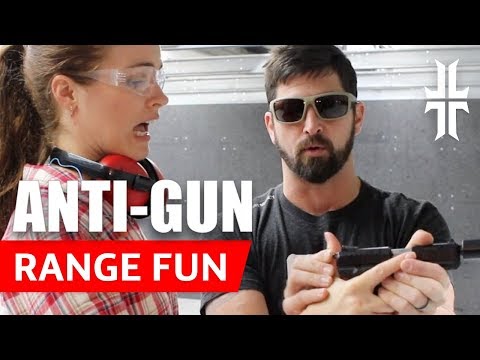
Can YOU Beat My Reactionary Gap Game?!?

Published on May 2, 2023
Duration: 8:01

This video demonstrates an action versus reaction drill to highlight the importance of understanding reactionary gaps in self-defense scenarios. Instructor John Lovell explains that 'action beats reaction' and uses the drill to illustrate how a proactive threat can gain a decisive advantage. The content also touches upon a real-world case to contextualize the tactical and legal implications of such encounters.

Quick Summary

The 'action beats reaction' principle in self-defense highlights that the individual who initiates a decisive action first gains a critical advantage. Practicing reactionary gap drills, where you react to a visual cue, helps improve your response time and understand the tactical implications of being proactive.

Chapters

  1. 00:00Introduction to Reactionary Gap Drill
  2. 00:07Sportsman's Guide Mention
  3. 00:46John Lovell Introduces the Challenge
  4. 00:51Firearms Used: AK-47 and .38 Special
  5. 00:56Setting Up the Action vs. Reaction Drill
  6. 01:02Relevance to Daniel Perry Case
  7. 01:28Drill Instructions: Hands in Lap
  8. 02:06First Drill Attempt & Feedback
  9. 02:31Trying the Drill with a .38 Special
  10. 03:01Key Takeaway: Action Beats Reaction
  11. 03:14Connecting Drill to Real-World Case
  12. 03:23Daniel Perry Case Overview
  13. 04:27Tactical Analysis: Vehicle as a Kill Box
  14. 04:43Simulating Daniel Perry's Perspective
  15. 05:00Threat Assessment: Masked Man with AK-47
  16. 05:51Firearm Carry in a High-Risk Situation
  17. 06:30Tactical Egress from Ambush
  18. 06:49Implications for Preemptive Action
  19. 07:10The Cost of Being Reactive
  20. 07:25Call for Viewer Input on Daniel Perry Case
  21. 07:43Support Warrior Poet Society

Frequently Asked Questions

What is the 'action beats reaction' principle in self-defense?

The 'action beats reaction' principle in self-defense emphasizes that the individual who initiates a decisive, effective action first often gains a critical advantage. This means being proactive rather than purely reactive can be the difference in a dangerous encounter.

How can I practice the reactionary gap drill?

To practice the reactionary gap drill, set up a recording device, place your hands in your lap, and attempt to touch your screen the moment the instructor or simulated threat moves. Honesty in assessing your reaction time is key to improving.

Why is a vehicle considered a 'kill box' in tactical situations?

A vehicle is considered a 'kill box' because it severely restricts movement, making it difficult to escape an ambush or effectively maneuver. This confinement necessitates rapid decision-making and often requires proactive tactics to survive.

What are the tactical considerations when facing an armed assailant with a rifle in a close-quarters situation?

Facing an armed assailant with a rifle in close quarters, especially from within a vehicle, is extremely dangerous. The rifle's penetration power through vehicle materials and the attacker's potential for rapid fire mean that a defensive posture must be highly proactive.

Related News

All News →

More Training & Techniques Videos You Might Like

More from Warrior Poet Society

View all →