Cap and Ball Revolver Basics

Published on April 23, 2015
Duration: 24:20

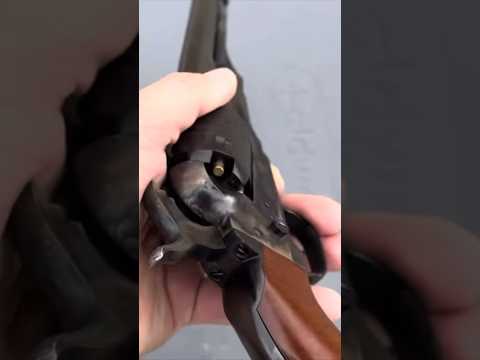
This guide details the process of loading and firing a cap and ball revolver, emphasizing safety and proper technique. It covers the use of black powder, projectiles, and percussion caps, along with methods for preventing chain fires and safe carrying. The instruction is presented with practical demonstrations, highlighting the historical context and mechanical nuances of these classic firearms.


Quick Summary

Learn the basics of cap and ball revolvers, including loading procedures, differences between 1860 Army and 1851 Navy models, and safety techniques. Expert instruction from Iraqveteran8888 covers historical context, mechanical nuances, and practical handling of these classic firearms.

Chapters

  1. 00:00Introduction to Cap and Ball Revolvers
  2. 01:29Navy vs. Army Model Differences
  3. 03:06Reproductions and Legal Status
  4. 05:35Mechanical Features and Aiming
  5. 07:22Loading Procedure
  6. 11:05Shooting and Safety Techniques
  7. 13:12History, Accuracy, and Conversions

Frequently Asked Questions

What are the main differences between the Colt 1851 Navy and 1860 Army revolvers?

The 1851 Navy typically features an octagonal barrel and is chambered in .36 caliber, while the 1860 Army has a round barrel and is chambered in .44 caliber. The 1860 Army also benefited from advancements in metallurgy, using spring steel for greater strength.

How do you safely load a cap and ball revolver?

Load by pouring a measured black powder charge, seating a lead ball with the loading lever, and applying bore butter over the ball. Then, place a percussion cap on the nipple and cock the hammer when ready to fire. Always ensure the firearm is unloaded during the process.

Are modern cap and ball revolver reproductions legal to own?

Yes, modern reproductions are generally legal and often not classified as 'firearms' under the GCA, meaning they can frequently be shipped directly to buyers without an FFL transfer, though local laws may vary.

What is 'Kentucky Windage' when shooting a cap and ball revolver?

'Kentucky Windage' refers to the practice of manually adjusting your aim to compensate for a firearm's known tendency to shoot high or off-center. It's a technique developed through experience with specific guns, common with older firearms like cap and ball revolvers.

More Training & Techniques Videos You Might Like

More from Iraqveteran8888

View all →