Chicago Police Vax Mandate, Greenfield Police Shooting, Concealed Carry and More!

Published on October 14, 2021
Duration: 198:32

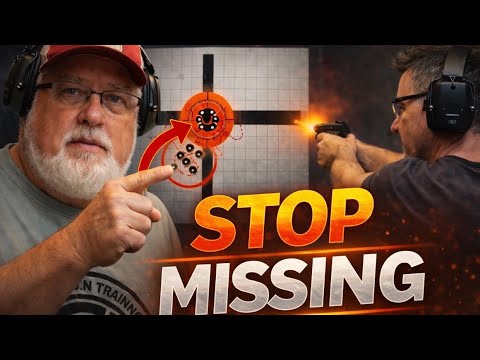
This video features firearms instructors discussing fundamental shooting techniques, emphasizing the importance of proper trigger control, sight alignment, and grip. They analyze common training contradictions and highlight the need for context-specific application of fundamentals, particularly in defensive scenarios. The discussion also touches on the shortcomings of basic police academy training and the critical role of continuous practice for both law enforcement and civilian carriers.

Quick Summary

The primary purpose of a gun holster is to render the firearm inert by protecting the trigger from accidental activation. This prevents unintentional discharges and ensures the firearm cannot be easily fired while holstered, with secondary benefits including protection from sweat and facilitating a consistent draw.

Chapters

  1. 00:30Introduction with Instructor Mike and John from Guardian Concepts
  2. 01:05Guardian Concepts Services and Upcoming Classes
  3. 03:06Instructor Mike's Headache and Show's Focus
  4. 05:10Concealed Carry Classes: Guns, Police Interaction, Conflict Resolution
  5. 08:03The Struggle of Balancing Business and Caring in Training
  6. 11:07Mentor's Advice on Caring vs. Business in Training
  7. 13:11Dave Chappelle's Controversy and Business Implications
  8. 16:31Real Instructors Focus on Outcomes and Survival
  9. 17:50Introduction of Brian Eastridge: Cop, Instructor, Belt Maker
  10. 19:11Brian Eastridge's Background: Police, Military, Firearms Instruction
  11. 20:28Re-evaluating Shooting Fundamentals and Application
  12. 22:12ADC Belt Co. and Concealed Carry Belt Design
  13. 25:53Brian Eastridge's Travel Training and Curriculum
  14. 29:38Critique of Entry-Level Firearms Training
  15. 31:00Deconstructing Shooting Fundamentals: Aim, Breath, Trigger Control
  16. 34:05Historical Context of Shooting Fundamentals (CMTC)
  17. 37:48Conflicting Terminology in Firearms Instruction
  18. 40:44Applying Fundamentals in Defensive Context
  19. 42:48The 'Squeeze' vs. 'Press' Trigger Debate
  20. 43:00Hand Strength and Trigger Pull Misconceptions
  21. 47:23Holster Requirements for Concealed Carry
  22. 49:43Primary Purpose of a Holster: Making the Gun Inert
  23. 51:37Greenfield, Wisconsin Police Shooting Analysis
  24. 52:50Bystander Interference in Police Encounters
  25. 57:32Colonel Cooper's Combat Triad Analysis of the Shooting
  26. 59:31Mindset, Marksmanship, and Gun Handling Issues in the Shooting
  27. 60:01Gun Handling Failures During the Greenfield Shooting
  28. 61:04Ballistics of Shooting Through Automotive Glass
  29. 63:34The 'U-Cut Sandwich' Scenario: Bystanders and Backstops
  30. 67:04Analysis of Officer's Gun Handling Near Suspect
  31. 68:18Discussion on Retention Shooting Techniques (CAR vs. Others)
  32. 72:28Adequacy of Police Academy Training Standards
  33. 75:35Ammunition Expenditure in Police Academies vs. Concealed Carriers
  34. 77:19Case Study: Officer Ella French and Training Effectiveness
  35. 79:02Concealed Carriers vs. Police: Training Frequency and Seriousness

Frequently Asked Questions

What is the primary purpose of a gun holster?

The primary purpose of a gun holster is to render the firearm inert by protecting the trigger from accidental activation. This prevents unintentional discharges and ensures the firearm cannot be easily fired while holstered.

How does proper trigger control affect shooting accuracy?

Proper trigger control is crucial for accuracy as it allows the shooter to pull the trigger without disturbing the sight alignment. This involves a smooth, consistent press that surprises the shooter, minimizing any movement of the firearm at the moment of discharge.

Why is it important to practice malfunction clearances in firearms training?

Practicing malfunction clearances is vital because unexpected jams can cause a 'deer in headlights' freeze during a critical incident. Regular practice builds muscle memory, enabling a faster and more effective response when a firearm malfunctions under stress.

What are the key components of Colonel Cooper's Combat Triad?

Colonel Cooper's Combat Triad consists of three essential elements for critical stress incidents: Mindset, Marksmanship, and Gun Handling. These components must be balanced for an individual to be effective in high-pressure situations.

Is shooting through car glass reliable for self-defense?

No, shooting through car glass is highly unreliable. Automotive glass, especially safety glass, can cause bullets to deflect unpredictably, often rendering them ineffective or causing them to fragment, making it a poor choice for defensive shooting.

More Training & Techniques Videos You Might Like

More from Instructor Mike

View all →