Close retention shooting drills💥😬📍handgun drills #shorts

Published on September 28, 2022
Duration: 0:11

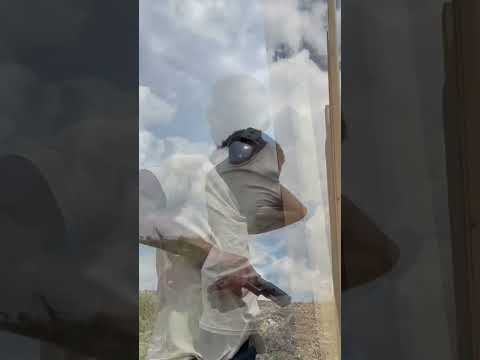
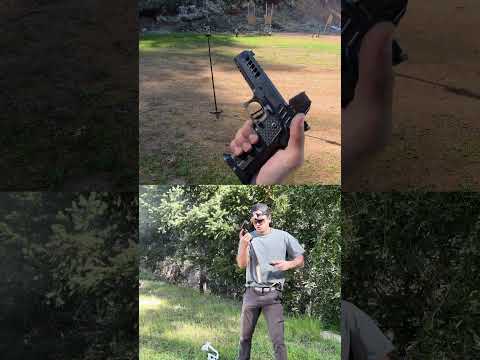
This video demonstrates a close retention shooting drill, simulating a self-defense scenario where an attacker is within arm's reach. The shooter practices drawing from an Appendix Inside the Waistband (AIWB) holster and firing multiple rounds while keeping the handgun tucked close to the body. The drill emphasizes fluid draw strokes, controlled recoil management in a one-handed retention position, and safe muzzle awareness during concealment clearing. This technique is crucial for effective engagement when distance is minimal.

Quick Summary

Close retention shooting drills simulate self-defense scenarios where an attacker is within arm's reach. This technique involves drawing from a position like AIWB and firing while keeping the handgun tucked tightly against the body to maintain control and prevent disarms. It emphasizes fluid draw strokes, one-handed recoil management, and safe muzzle awareness.

Chapters

  1. 00:00Retention Shooting Demonstration
  2. 00:05Low-Angle Target View

Frequently Asked Questions

What is a close retention shooting drill?

A close retention shooting drill simulates a self-defense scenario where an attacker is within arm's reach. It involves drawing your handgun and firing while keeping it tucked tightly against your body, typically the pectoral or rib area, to maintain control and prevent it from being grabbed.

Why is close retention important in self-defense?

Close retention is crucial because in a physical confrontation, an attacker may try to grab your firearm. Training in close retention allows you to effectively draw and fire your weapon even when the attacker is extremely close, maintaining control and preventing disarms.

What is AIWB carry?

AIWB stands for Appendix Inside the Waistband. It's a popular concealed carry method where the firearm is holstered on the front of the body, typically between the hip and the navel. It allows for a discreet carry and a potentially fast draw, but requires specific techniques for safety and effectiveness.

How does recoil management differ in close retention?

Recoil management is more challenging in a close retention position because you have less space to establish a full grip and absorb the recoil. It often involves a strong, stable grip with the firing hand and potentially using the support hand to brace against the firearm or body.

More Training & Techniques Videos You Might Like

More from TheGunHuddX

View all →