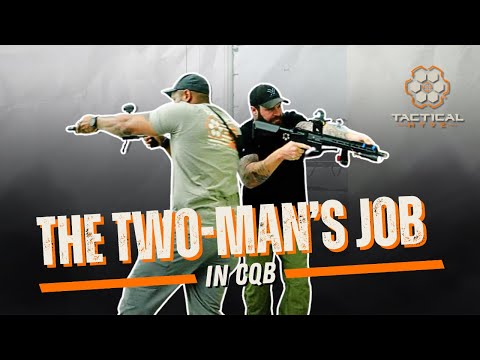
CQB Terms You NEED To Know

Published on June 1, 2024
Duration: 40:55

This video provides essential Close Quarters Battle (CQB) terminology and techniques for home defense and tactical scenarios. It emphasizes the importance of watching the series in order, starting with fundamental principles before progressing to room clearance. Key concepts covered include understanding room types (centerfed, cornerfed), proper entry methods (cross-entry, button hook), the critical 'pieing' technique for visual assessment, and prioritizing threats and uncleared spaces. The instruction highlights the necessity of a tactical mindset, fluid movement, and effective communication between team members.

Quick Summary

In CQB, 'pieing' a room involves moving incrementally around an entry point to progressively reveal the space, minimizing exposure and allowing for threat assessment. This technique is crucial for identifying potential dangers, uncleared areas, and other tactical considerations before fully entering, especially in centerfed rooms where visibility is limited.

Chapters

  1. 00:00Introduction to CQB Series
  2. 01:05Centerfed Room Explained
  3. 02:05Two-Man Entry: Cross vs. Button Hook
  4. 02:43Button Hook Technique
  5. 03:55Sling Setup for CQB
  6. 04:24Centerfed Room Entry Drill
  7. 04:53Modified Low Ready Stance
  8. 05:30Safety Considerations for Civilians
  9. 05:59Clearing Corners During Entry
  10. 06:12Safe Distance Rule (18 Inches)
  11. 07:11Response to Partner Being Shot
  12. 08:38Consequences of Entry Under Fire
  13. 09:49Mindset, Tactics, and Gear
  14. 12:21The Importance of Pieing
  15. 13:38Processing the Room After Pieing
  16. 15:10Decision Making During Room Clearance
  17. 16:13Path of Least Resistance
  18. 17:11Fluid Pieing vs. Choppy Steps
  19. 19:43Maximizing Vision During Pieing
  20. 20:29Hidden Threats in Rooms
  21. 21:06Furniture as Obstacles/Concealment
  22. 22:41Processing Speed During Pieing
  23. 23:32Corner Fed Room Explained
  24. 24:30Trigger Preloading Warning
  25. 25:31Handling Corner Fed Rooms
  26. 27:20Two-Man Entry in Corner Fed Rooms
  27. 28:10CQB Realities: Not Navy Seals
  28. 30:43Holding Hallways and Multiple Threats
  29. 31:59Two-Man Entry into Hallway Scenario
  30. 33:11Partner Covering During Pieing
  31. 34:13Holding Doors and Hallways
  32. 35:32Motionless Operators Ventilate Easily
  33. 36:04One-Man Home Defense Strategy
  34. 36:48Priorities of Work in CQB
  35. 37:06Threat Prioritization: Threat, Unknown, Uncleared Space, Open/Closed Doors
  36. 38:16Windows and Doorways as Danger Zones
  37. 39:01Conclusion & Further Training

Frequently Asked Questions

What are the key differences between centerfed and cornerfed rooms in CQB?

A centerfed room is entered near its middle, making it hard to see both corners. A cornerfed room allows more visibility from the entry point, enabling safer clearance from the outside. Cornerfed rooms are generally preferred for easier tactical assessment and entry.

What is the 'pieing' technique in CQB and why is it important?

Pied, or pacing, is a technique where you move incrementally around a corner or doorway to progressively reveal the space, minimizing your exposure. It's crucial for assessing threats and uncleared areas before fully entering a room, allowing for better tactical decision-making.

What is the '18-inch rule' in tactical movement during room entry?

The '18-inch rule' is a guideline suggesting maintaining approximately 18 inches of distance between the muzzle of your firearm and your partner during close-quarters movement. This helps prevent accidental engagement if a firearm discharges unexpectedly.

What are the priorities of work when assessing a room in CQB?

The priorities of work are: 1. Threats (known hostile individuals), 2. Unknowns (unidentified individuals), 3. Uncleared Space (areas not yet visually confirmed clear), 4. Open Doors (potential entry/exit points), and 5. Closed Doors (unknown contents). This helps systematically clear a space.

Why is continuous movement emphasized in CQB and tactical situations?

Continuous movement is vital because 'motionless operators ventilate easily.' Standing still makes you a predictable target. Moving fluidly, utilizing cover and concealment, and constantly processing the environment are key to survival and effectiveness in tactical engagements.

Related News

All News →

More Training & Techniques Videos You Might Like

More from American Outlaw

View all →