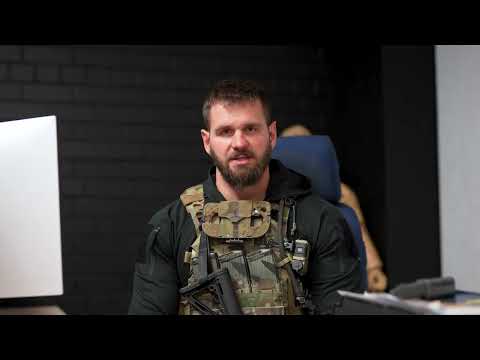
CQB 101: 4 Types of Enemies You'll Encounter

Published on March 20, 2025
Duration: 12:01

This video from Tactical Hyve, featuring David Harris and Matthew Kish, breaks down four types of adversaries encountered in CQB: untrained/uncommitted, trained/uncommitted, untrained/committed, and trained/committed. The instructors emphasize that training should focus on the most dangerous threat, the trained/committed individual, to ensure preparedness for all scenarios. They stress the importance of proactive training, accountability, and continuous skill development to combat complacency and effectively handle evolving threats.


Quick Summary

In CQB, adversaries are categorized into four types: untrained/uncommitted, trained/uncommitted, untrained/committed, and trained/committed. Training should prioritize the 'trained/committed' adversary, as this level of preparation ensures readiness for all threats and combats dangerous complacency.

Chapters

  1. 00:00Introduction: CQB Enemy Types
  2. 00:14Type 1: Untrained Uncommitted
  3. 00:53Type 2: Trained Uncommitted
  4. 01:41Type 3: Untrained Committed
  5. 02:57Type 4: Trained Committed (Most Dangerous)
  6. 03:31Why Train for the Worst
  7. 04:46The Danger of Complacency
  8. 05:01Mindset and Proactive Training
  9. 05:43Accountability in Training
  10. 06:11Limitations and Personal Responsibility
  11. 06:52Analogy to Sports Training
  12. 07:40Enemy Doesn't Care About Excuses
  13. 08:23Enemy Types in CQB Context
  14. 09:53Training for the Trained Committed
  15. 10:37Evolution of CQB Tactics
  16. 11:38Conclusion: 4 Enemy Types Recap

Frequently Asked Questions

What are the four types of enemies encountered in CQB?

The four types of enemies encountered in Close Quarters Battle (CQB) are: the untrained and uncommitted individual, the trained but uncommitted individual, the untrained but committed individual, and the trained and committed individual. Each presents a different level of threat and requires a tailored approach to engagement and training.

Why is it important to train for the most dangerous CQB adversary?

Training for the most dangerous adversary, the 'trained and committed' individual, ensures you are prepared for the highest level of threat. This rigorous preparation makes dealing with less dangerous adversaries, such as the untrained or uncommitted types, significantly easier and increases your overall survivability and effectiveness.

What is the role of complacency in CQB encounters?

Complacency is a significant danger in CQB and tactical operations. It can lead to a lack of preparedness when encountering a committed adversary, as officers or soldiers may become accustomed to dealing with lower threats and let their guard down, potentially resulting in fatal consequences.

How does an adversary's commitment level affect CQB tactics?

An adversary's commitment level directly impacts CQB tactics. A committed adversary, regardless of training, will fight harder and longer. A trained and committed adversary poses the greatest risk, as they possess both the skill to inflict damage and the will to do so relentlessly, requiring advanced tactics and constant vigilance.

More Training & Techniques Videos You Might Like

More from Tactical Hyve

View all →