Doubles Trouble

Published on April 19, 2025
Duration: 4:59

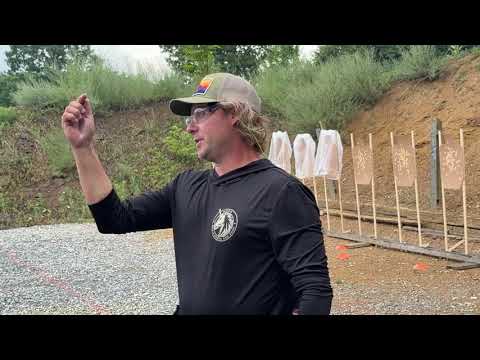
This video addresses a common issue with pistol doubles where the second shot is consistently low. Ben Stoeger introduces the 'Doubles Drill' for practicing fast pairs and highlights the 'One Shot Return' drill as a diagnostic tool. This drill helps shooters identify if they are pushing the gun down during recoil or trigger press, which is crucial for improving accuracy and ingraining good habits.


Quick Summary

Consistently low second shots in pistol doubles are often caused by 'driving the gun down' during recoil or the trigger press. The 'One Shot Return' drill helps diagnose this by having you fire one shot and return the gun to the aiming point, revealing if you're pushing the gun down and misaligning sights.

Chapters

  1. 00:00Introduction: The Doubles Problem
  2. 00:21The Doubles Drill Explained
  3. 01:34Identifying the Cause: Driving the Gun Down
  4. 02:09The One Shot Return Drill
  5. 03:56Trigger Pull Assessment (Dry Fire)
  6. 04:29Conclusion: Avoid Ingraining Bad Habits

Frequently Asked Questions

What is the 'Doubles Drill' for pistol shooting?

The 'Doubles Drill' involves firing fast pairs of shots on a target, focusing on staying connected to the pistol and maintaining focus on a single aiming spot. It's performed at a speed faster than conscious processing to reveal mechanical flaws in shooting.

Why are my second shots in doubles consistently low?

Consistently low second shots in doubles are often caused by 'driving the gun down' during recoil or the trigger press. This subconscious action misaligns the sights for the follow-up shot, leading to low impacts.

How can the 'One Shot Return' drill help my shooting?

The 'One Shot Return' drill helps diagnose trigger control and recoil management issues. By firing one shot and returning the gun to the aiming point, you can observe how your hands and body react, identifying if you're pushing the gun down.

Is dry fire practice effective for improving doubles?

Yes, dry fire practice can be very effective. Performing fast pairs in dry fire allows you to consciously observe sight movement during the trigger pull, helping you identify and correct issues like blipping the sights left or down.

More Training & Techniques Videos You Might Like

More from Ben Stoeger

View all →