Dry Fire Drills - Draw, Reload and Movement

Published on July 11, 2025
Duration: 5:52

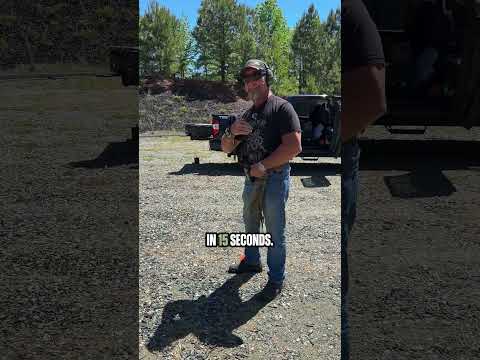
This comprehensive dry fire training guide from Pro Gun focuses on mastering the draw, movement, and reloads for pistol proficiency. Lead instructor emphasizes that technique is paramount, urging practitioners to start slow and build muscle memory. The guide details specific steps for both Outside the Waistband (OWB) and Inside the Waistband (IWB) holsters, incorporating essential threat assessment and movement drills.

Quick Summary

Master pistol proficiency with expert dry fire training. Focus on technique over speed, ensuring a firm grip and proper draw from OWB/IWB holsters. Incorporate movement and practice safe reloads using dummy rounds and the 'slingshot' method for chambering rounds. Always prioritize safety by removing all live ammunition from the training area.

Frequently Asked Questions

What are the key safety precautions for dry fire training?

The most critical safety rule for dry fire training is to ensure absolutely no live ammunition is present in the training area. Always visually and physically confirm the firearm is unloaded before starting any dry fire exercises to prevent accidental discharge.

How should I practice drawing a pistol from a holster for defensive purposes?

When drawing, first acquire a firm grip with your trigger finger outside the slide. For OWB, place your support hand on your chest before drawing. For IWB, lift your garment. Both hands should meet to establish a firing grip, extend the firearm, scan for threats, and then re-holster while maintaining situational awareness.

What is the recommended method for chambering a round after a reload in a semi-automatic pistol?

After inserting a fresh magazine and dropping the empty one, it's recommended to use the 'slingshot' method. Firmly pull the slide all the way to the rear and release it. This ensures the round is properly chambered, which is more reliable than relying solely on the slide stop, especially under stress.

How can I improve my firearm handling skills through dry fire practice?

Consistent dry fire practice is key. Aim for 15 minutes daily, focusing on technique over speed. Practice drills that address your personal weaknesses, such as movement to a specific side, to build muscle memory and coordination effectively.

Related News

All News →

More Training & Techniques Videos You Might Like

More from PRO GUN

View all →