Engaging Multiple Targets - Competition v Self-Defense: First Person Defender| S5 Training Tip

Published on September 30, 2017
Duration: 5:03

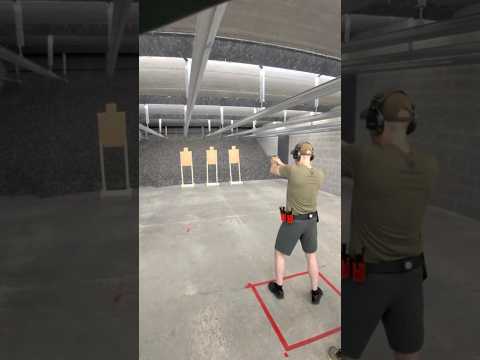
This video differentiates engaging multiple targets in competitive shooting versus real-world self-defense. Competitive shooting emphasizes speed, efficiency, and accuracy across all targets. Self-defense prioritizes engaging the most immediate threat first, then transitioning to subsequent threats based on their immediacy. The instructor demonstrates drills comparing these approaches, highlighting how tactical priority dictates engagement strategy in a life-threatening situation.

Quick Summary

In self-defense, engaging multiple targets requires prioritizing the most immediate threat. Identify the assailant posing the greatest danger and engage them first. Continue until they are no longer an immediate threat, then reassess and address the next most dangerous individual. This tactical priority differs from competitive shooting, which emphasizes speed and accuracy across all targets.

Chapters

  1. 00:11Introduction to Multiple Target Engagement Debate
  2. 00:41Competitive Shooting Approach
  3. 00:50Self-Defense vs. Competitive Targets
  4. 01:01Tactical Priority in Self-Defense
  5. 01:23Demonstration: Competitive Style Engagement
  6. 02:39Results: Competitive Style (4 Rounds)
  7. 02:40Demonstration: Grouped Engagement (2+2 Rounds)
  8. 03:09Results: Grouped Engagement (4 Rounds)
  9. 03:31Demonstration: Realistic Defensive Engagement
  10. 04:00Results: Realistic Defensive Engagement (7 Rounds)
  11. 04:22Conclusion: Threat Dictates Engagement

Frequently Asked Questions

What is the main difference between engaging multiple targets in competition versus self-defense?

In competition, the focus is on speed and accuracy across all targets. In self-defense, the priority is to engage the most immediate threat first, then transition to other threats as they become more dangerous.

How should I prioritize targets in a self-defense situation with multiple assailants?

Identify the individual posing the greatest and most immediate danger to you. Engage that person first, delivering sufficient rounds until they are no longer an immediate threat, then reassess and address the next most dangerous individual.

Does shooting faster mean better performance in self-defense?

Not necessarily. While speed is a factor, accuracy and tactical priority are more critical in self-defense. Engaging the correct threat effectively is more important than simply firing rounds rapidly at multiple targets without assessment.

What is a practical drill for practicing multiple target engagement?

A drill could involve engaging a primary threat with multiple rounds (e.g., 3-4) before transitioning to a secondary threat. This simulates prioritizing and neutralizing the most immediate danger before addressing others.

Related News

All News →

More Training & Techniques Videos You Might Like

More from Gun Talk Media

View all →