FAQ - 10 (Case Bulge)

Published on March 29, 2010
Duration: 2:58

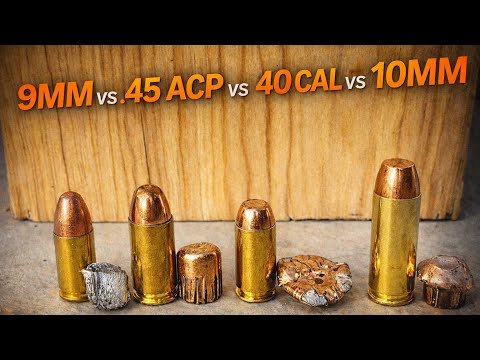
Hickok45, with over 10 years of reloading experience, addresses the common concern of 'case bulge' in .40 S&W and 10mm brass, particularly from Glock pistols. He demonstrates that this expansion near the rim is a characteristic of looser chambers and, based on his extensive personal experience firing and reloading thousands of rounds, is generally not a safety issue, debunking online 'scares'.

Quick Summary

Firearms instructor Hickok45 explains that case bulge in .40 S&W and 10mm brass, often seen in Glock pistols, is typically due to chamber dimensions and not a significant safety risk, based on his extensive reloading experience.

Chapters

  1. 00:00Intro: Why I Stopped Reloading .40 S&W
  2. 00:45Demonstrating Case Bulge in .40 S&W & 10mm Brass
  3. 01:35The .40 Caliber Scare: My Experience

Frequently Asked Questions

What causes case bulge in .40 S&W and 10mm ammunition fired from Glock pistols?

Case bulge is often caused by the slightly looser chamber dimensions found in some Glock pistols. This allows the brass casing to expand more near the base or rim when fired, creating a visible bulge.

Is case bulge in .40 S&W a serious safety concern?

According to firearms instructor Hickok45, who has extensive reloading experience, the 'case bulge' concern, particularly for .40 S&W in Glocks, is often exaggerated. He fired thousands of rounds without issue.

Why did Hickok45 stop reloading .40 S&W?

Hickok45 primarily stopped reloading .40 S&W because he gave away his reloading dies when he transitioned to using 10mm ammunition, not due to any perceived safety issues with the caliber itself.

Can bulged brass be reloaded?

While some bulged brass can be resized, significant bulges, especially 'dents' or 'Glock smile' bulges, may not fully return to spec. Reloaders should carefully inspect resized brass for safety before firing.

Related News

All News →

More Training & Techniques Videos You Might Like

More from hickok45

View all →