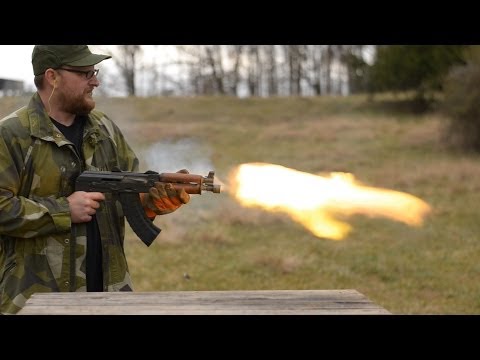
Firearms Facts Episode 27: Full Auto Single Action Revolver

Published on September 1, 2013
Duration: 5:56

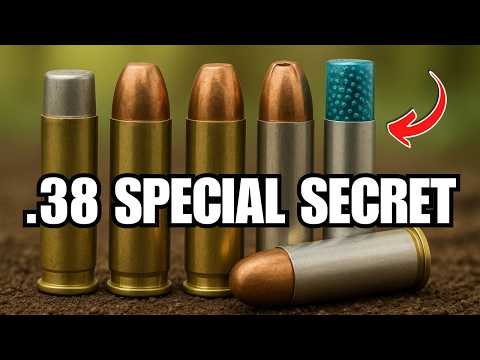
This video, presented by Iraqveteran8888, offers expert insights into the effects of +P ammunition on firearms, particularly revolvers. Instructor Barry details how higher pressure rounds can cause frame stretching and cylinder end play in non-rated guns, leading to accelerated wear and potential malfunctions. The guide emphasizes the importance of understanding firearm ratings and considering caliber upgrades over over-stressing existing platforms.

Quick Summary

Firing +P ammunition in firearms not rated for it can cause accelerated wear, frame stretching, and cylinder end play, leading to malfunctions like light primer strikes. Always consult your firearm's manual to confirm if it's rated for +P loads. For more power, consider a firearm chambered in a higher-pressure caliber like .357 Magnum.

Chapters

  1. 00:00Episode Topics: Full Auto Revolver & +P Ammo
  2. 00:20Understanding +P Ammunition
  3. 01:35Charter Arms Southpaw & +P Risks
  4. 02:02Frame Stretching & End Play Explained
  5. 03:16Vintage S&W Hand Ejector Showcase
  6. 03:40Full Auto Single Action Phenomenon
  7. 05:06Conclusion & Safety Advice

Frequently Asked Questions

What are the risks of firing +P ammunition in a non-rated firearm?

Firing +P ammunition in firearms not rated for it can cause accelerated wear, frame stretching, and cylinder end play. This can lead to malfunctions like light primer strikes and potentially dangerous mechanical failures, compromising the firearm's integrity and safety.

How can I identify if my firearm can handle +P ammunition?

Always consult your firearm's owner's manual or the manufacturer's official specifications. Many manufacturers will explicitly state if a model is rated for +P ammunition. Visual inspection alone is not sufficient; always rely on documented ratings.

What is the difference between standard and +P ammunition?

+P ammunition is loaded to higher pressure levels than standard ammunition for the same caliber. This results in increased muzzle velocity and energy, but also places greater stress on the firearm's components, requiring a firearm specifically designed to withstand these higher pressures.

What are the signs of frame stretching or cylinder end play in a revolver?

Signs include light primer strikes (as the cylinder may not seat fully forward), difficulty in cycling the action, or visible deformation of the frame around the cylinder. Excessive end play allows the cylinder to move too far forward or backward, impacting alignment and ignition.

Related News

All News →

More Training & Techniques Videos You Might Like

More from Iraqveteran8888

View all →