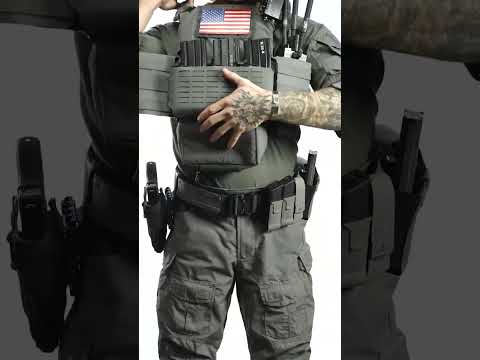
Haley Strategic Train: Performance Target Carbine Manipulation

Published on May 14, 2020
Duration: 12:52

This video details Phase 4 of the Haley Strategic Carbine Efficiency Test (CET), focusing on critical manipulations and malfunction clearing for AR-15 carbines. Travis Haley demonstrates tactical and speed reloads, clearing common malfunctions like failure to fire, stovepipes, and double feeds, alongside safe transitions to a handgun. The training emphasizes problem-solving over rote procedures and achieving a balance between speed and accuracy under pressure.

Quick Summary

Travis Haley's Carbine Efficiency Test Phase 4 covers tactical and speed reloads, plus clearing malfunctions like failure to fire, stovepipes, and double feeds. He emphasizes problem-solving over rote procedures and safe handgun transitions, stressing safety during training drills.

Chapters

  1. 00:00Introduction to Carbine Manipulation & Malfunctions
  2. 01:03Tactical (Proactive) Reload Drill
  3. 02:41Speed Reload Drill
  4. 04:09Failure to Feed/Fire Malfunction Clearing
  5. 05:09Stove Pipe Malfunction Clearing
  6. 06:26Double Feed Malfunction Clearing
  7. 08:49Transition to Handgun Safely
  8. 11:16Scoring and Conclusion of CET

Frequently Asked Questions

What are the key carbine manipulation skills covered in the Haley Strategic CET Phase 4?

Phase 4 of the Carbine Efficiency Test focuses on critical manipulations including tactical reloads, speed reloads, and clearing common malfunctions like failure to fire, stovepipes, and double feeds. It also covers safe transitions to a handgun.

How does Travis Haley define a 'tactical reload' versus a 'speed reload'?

A tactical reload is 'proactive,' assessing risk to reload before a magazine is empty. A speed reload uses an empty magazine and focuses on rapid replacement, with options for static or breakdown techniques for leverage.

What is the recommended procedure for clearing a double feed malfunction on an AR-15?

To clear a double feed, lock the bolt back, strip the magazine, rack the charging handle multiple times to eject the faulty round, and then perform a reload. Safety is paramount during this complex drill.

What safety precautions should be taken when practicing handgun transitions?

When practicing transitions to a handgun, it's advised to use a dry rifle to ensure safety. This prevents accidental discharges and allows focus on the transition mechanics without the risk of a live rifle round.

Related News

All News →

More Training & Techniques Videos You Might Like

More from Haley Strategic Partners

View all →