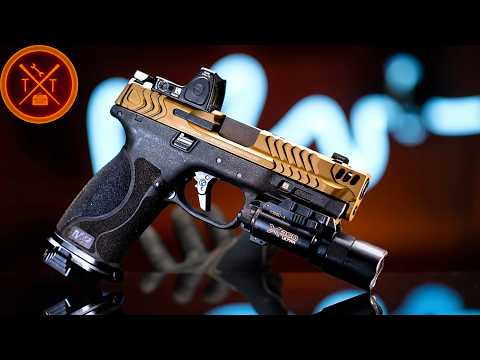
Hammer Versus Striker Fired Recoil Experiment

Published on May 31, 2020
Duration: 9:30

This video explores the perceived differences in recoil and shooter experience between hammer-fired and striker-fired handguns. The presenter theorizes that the hammer spring in a hammer-fired system might absorb some rearward energy, potentially softening recoil. However, the experiment suggests that the striker-fired system felt smoother and allowed for quicker sight acquisition, leading to a preference for it despite the hammer-fired gun's familiar feel. The Manus X recoil measurement device was used but did not yield significant comparative data.

Quick Summary

The perceived difference in recoil between hammer-fired and striker-fired handguns is largely a matter of perception. While a theory suggests hammer springs absorb recoil energy, an experiment with similar Grand Power firearms found striker-fired models felt smoother and allowed for quicker sight reacquisition, leading to a preference for them.

Chapters

  1. 00:01Introduction: Hammer vs. Striker
  2. 00:22Firearm Safety Check
  3. 00:28The Debate: Hammer vs. Striker
  4. 00:52Focus: Recoil and Reset Time
  5. 01:05Presenter's Theory on Recoil
  6. 01:10Striker-Fired Mechanics
  7. 01:42Hammer-Fired Mechanics
  8. 02:18Hammer Spring's Impact on Recoil
  9. 02:25Test Firearms: Grand Power K-100 vs. Q1
  10. 02:53Rotating Barrel System Advantage
  11. 03:21Source of Felt Recoil
  12. 04:10Live Fire Experiment Setup
  13. 05:06Perceived Differences: Live Fire
  14. 06:24Detailed Comparison: K-100 vs. Q1
  15. 07:00Revisiting Hammer Spring Theory
  16. 07:29Experiment Findings and Manus X
  17. 08:01Ammunition Choice
  18. 08:27Conclusion: Perception vs. Reality
  19. 08:47Viewer Engagement and Call to Action

Frequently Asked Questions

What is the main difference in recoil between hammer-fired and striker-fired handguns?

The main difference is theorized to be how rearward energy is managed. In hammer-fired guns, the hammer spring absorbs some energy, potentially softening recoil. However, the presenter found striker-fired guns felt smoother and allowed for quicker sight acquisition in their experiment.

Which type of handgun did the presenter prefer after the recoil experiment?

The presenter expressed a preference for the striker-fired handgun, noting it felt smoother and allowed for faster reacquisition of the sight picture. This was despite the initial theory that hammer-fired guns might be softer shooting.

What firearms were used in the hammer vs. striker fired recoil experiment?

The experiment utilized two Grand Power firearms: the K-100, which is hammer-fired, and the Q1, which is striker-fired. These models were chosen for their similarity in frame, grip, and locking system, isolating the firing mechanism as the primary variable.

Does ammunition type affect recoil perception in firearms?

Yes, ammunition consistency is crucial for accurate recoil experiments. The presenter used match-grade ammunition to ensure minimal variance in velocity, preventing ammunition randomness from skewing the results and averages observed during the test.

More Training & Techniques Videos You Might Like

More from GBGuns

View all →