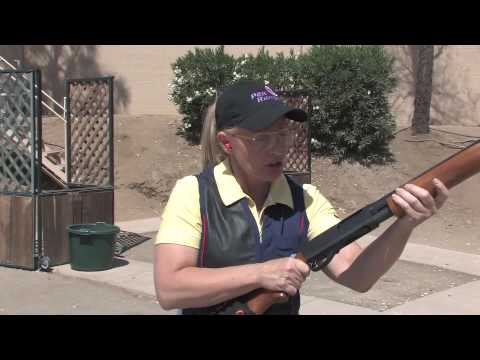
HOW Do INERTIA Driven Shotguns WORK? (Breakdown) #gun #shotgun #civtac

Published on January 25, 2024
Duration: 1:00

This guide breaks down the mechanics of inertia-driven semi-automatic shotguns, exemplified by the G-Force One. It details how recoil energy is harnessed via a calibrated spring and bolt compression to cycle the action, contrasting it with gas-operated systems. The explanation emphasizes the physics behind the operation, offering insights for intermediate firearm enthusiasts.


Quick Summary

Inertia-driven shotguns operate using recoil energy. When fired, the gun recoils, but the bolt's inertia causes it to lag momentarily, compressing an internal spring. This stored energy is then released to drive the bolt backward, ejecting the spent casing and chambering a new round, a process distinct from gas-operated systems.

Chapters

  1. 00:00Introduction to Inertia Systems
  2. 00:13Loading and Initial Operation
  3. 00:35The Physics of the Inertia Cycle

Frequently Asked Questions

How does an inertia-driven shotgun work?

Inertia-driven shotguns use the recoil energy from firing. When the gun recoils, the bolt stays put momentarily due to inertia, compressing a spring. This stored spring energy then drives the bolt rearward to eject the spent shell and chamber a new one.

What is the main difference between inertia-driven and gas-operated shotguns?

Inertia-driven shotguns use the gun's recoil and a spring-loaded bolt to cycle, while gas-operated shotguns use gas pressure bled from the barrel to push a piston or rod that cycles the bolt. Inertia systems are often mechanically simpler.

What firearm is featured in the video explaining inertia drive?

The video specifically features the G-Force One shotgun as an example to demonstrate and explain the mechanics of an inertia-driven, semi-automatic system. It also shows a Benelli animation.

What physical principle governs inertia-driven shotguns?

Inertia-driven shotguns operate based on Newton's First Law of Motion, commonly known as the Law of Inertia. This principle explains how the bolt's resistance to change in motion allows the spring to store and release energy for cycling.

More Training & Techniques Videos You Might Like

More from Civilian Tactical

View all →