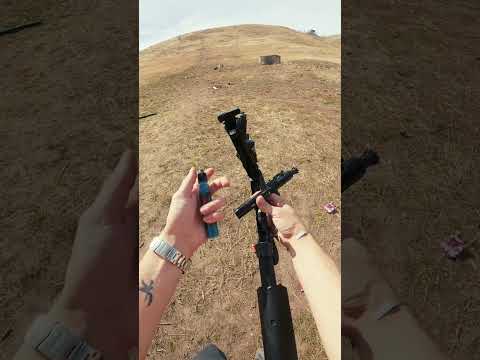
How Does An AR15 Work?

Published on May 8, 2020
Duration: 7:11

This video provides a fundamental explanation of how an AR-15 functions during its firing cycle. It details the process from loading a magazine and chambering a round to the ignition of the primer, the use of gas pressure to cycle the action, and the resetting of the trigger for subsequent shots. Understanding these mechanics is presented as crucial for diagnosing field issues.

Quick Summary

The AR-15 operates on a direct impingement gas system. Hot gases from firing travel through a gas tube to the bolt carrier group, pushing it back to extract and eject spent casings, while simultaneously re-cocking the hammer and resetting the trigger for the next shot.

Chapters

  1. 00:00Introduction to AR-15 Function
  2. 00:31AR-15 Firing Cycle Overview
  3. 01:33Loading and Chambering a Round
  4. 02:49Trigger Mechanism and Firing
  5. 04:15Gas System and Cycling the Action
  6. 05:11Simplicity of the AR-15 Process
  7. 05:30Importance of Understanding Function
  8. 06:08Conclusion and Further Learning

Frequently Asked Questions

How does the AR-15 chamber a round?

To chamber a round, you pull the charging handle back, which retracts the bolt. Upon release, the bolt moves forward, picking up a bullet from the magazine and sliding it into the rifle's chamber.

What role does the gas system play in an AR-15?

The gas system uses hot gases from firing to cycle the action. These gases are redirected from the barrel through a gas tube to the bolt carrier group, pushing it rearward to extract the spent casing and prepare for the next round.

How is the trigger reset in an AR-15?

As the bolt carrier group moves rearward after firing, it re-cocks the hammer and resets the trigger mechanism, allowing the rifle to be fired again by pulling the trigger.

Why is it important to understand how an AR-15 works?

Understanding the inner workings of an AR-15 is crucial for diagnosing and fixing problems in the field. Knowing how the rifle cycles allows you to identify potential issues like gas system malfunctions or feeding problems.

Related News

All News →

More Training & Techniques Videos You Might Like

More from Elliott Delp

View all →