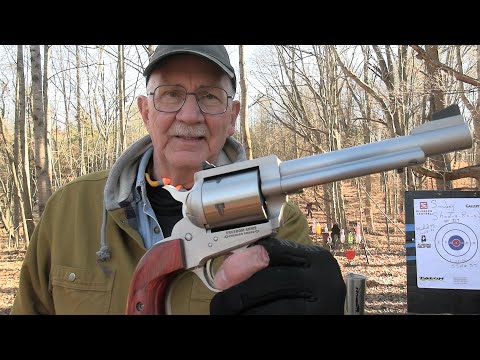
How Revolvers Function (Breakdown) #gun #civtac #revolver

Published on December 29, 2023
Duration: 1:00

This video provides a clear, step-by-step explanation of how a revolver functions, utilizing a 3D diagram and a physical demonstration. It details the process from loading rounds into the cylinder to the firing sequence, including the mechanics of cocking the hammer and the double-action trigger pull. The explanation covers cylinder rotation, primer ignition, and bullet propulsion.

Quick Summary

Revolvers function by using a rotating cylinder to align chambers with the barrel. Operation involves either manually cocking the hammer (single-action) or pulling the trigger (double-action), which also cocks and releases the hammer. The hammer strike ignites the primer, firing the round.

Chapters

  1. 00:00Introduction to Revolver Mechanics
  2. 00:04Physical Breakdown of a Revolver
  3. 00:09Cylinder Design and Loading
  4. 00:18Hammer and Trigger Operation
  5. 00:24Internal Mechanics Explained
  6. 00:34Cylinder Rotation Mechanism
  7. 00:41Firing Sequence: Primer to Bullet Exit
  8. 00:55Conclusion: How Revolvers Work

Frequently Asked Questions

How does a revolver's cylinder rotate?

The cylinder of a revolver rotates as the hammer is cocked or the trigger is pulled in double-action mode. This mechanism aligns the next chamber containing a round with the barrel, preparing it for firing.

What are the two main ways to operate a revolver's hammer?

A revolver's hammer can be operated in single-action by manually pulling it back, or in double-action by pulling the trigger, which simultaneously cocks the hammer and then releases it to strike the primer.

What happens during the firing sequence of a revolver?

When the hammer strikes the primer, the powder ignites, creating expanding gases. These gases forcefully push the bullet down the barrel, building speed until it exits.

Related News

All News →

More Training & Techniques Videos You Might Like

More from Civilian Tactical

View all →