How Special Forces Move as a Team | Part 1 | Staying on line | Tactical Rifleman

Published on June 21, 2019
Duration: 4:47

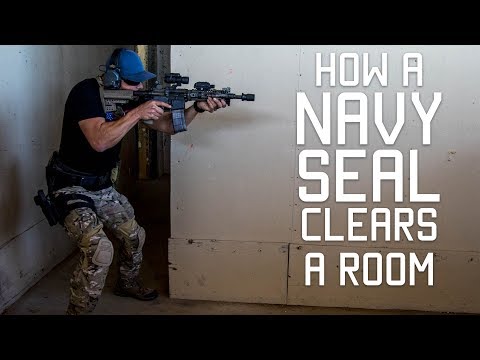
This video emphasizes the critical importance of 'staying on line' for special forces team movement during gunfights. It highlights common mistakes like muzzle-sweeping and impeding teammates' fields of fire. Proper spatial awareness and communication are crucial, especially in confined spaces, to ensure all team members can safely engage threats within their designated lanes.

Quick Summary

Staying on line in team gunfighting is crucial for safety and effectiveness. It means maintaining proper spacing and alignment with teammates to ensure all weapons can engage threats without muzzle-sweeping or impeding others. Proper spatial awareness and communication are key.

Chapters

  1. 00:00Introduction to Team Gunfighting
  2. 00:37The Importance of Staying on Line
  3. 01:24Movement in Tight Quarters
  4. 02:41Lateral Separation and Lane Discipline
  5. 03:06Training and Conditioning for Team Movement
  6. 03:36Safe Training Progression

Frequently Asked Questions

What is the primary goal of 'staying on line' in team gunfighting?

Staying on line ensures all team members can safely engage targets within their designated firing lanes without endangering teammates. It prevents muzzle-sweeping and ensures maximum firepower is directed at the threat.

What are common mistakes made during team movement drills?

Common mistakes include failing to maintain a consistent line, leading to muzzle-sweeping or impeding a partner's field of fire. Lack of communication and awareness of firing lanes can also cause dangerous crossfire situations.

How should team movement training progress?

It's recommended to start team movement training with dry fire or non-lethal options like Simunitions or Airsoft. This builds essential subconscious habits before progressing to live-fire exercises.

Why is spatial awareness crucial for team gunfighting?

Spatial awareness is critical for understanding your position relative to teammates and threats. It allows you to maintain your line, avoid crossfire, and ensure your weapon is always ready to engage safely.

More Training & Techniques Videos You Might Like

More from Tactical Rifleman

View all →