How Special Ops Load and Make Ready | Unload | Tactical Rifleman

Published on January 19, 2018
Duration: 3:01

This expert-level guide from Tactical Rifleman details the precise procedures for loading and unloading both primary (rifle) and secondary (pistol) weapon systems, as employed by special operations personnel. The instruction emphasizes a pistol-first loading order to prevent a loaded rifle from being handled unnecessarily and outlines meticulous unloading steps for both firearms, ensuring safety and readiness. The video demonstrates techniques for speed reloads and thorough chamber checks.

Quick Summary

Special operations personnel load their secondary weapon (pistol) first to prevent a loaded rifle from being handled unnecessarily. This is followed by loading the primary weapon (rifle) using techniques like the 'beer can grip' for speed reloads and ensuring all components are properly seated and functional.

Chapters

  1. 00:09Intro: Pistol vs Rifle Loading Order
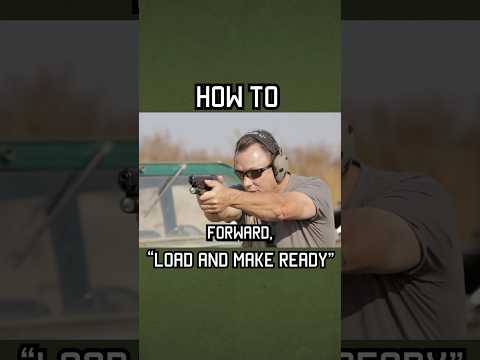
  2. 00:19Pistol Loading Procedure
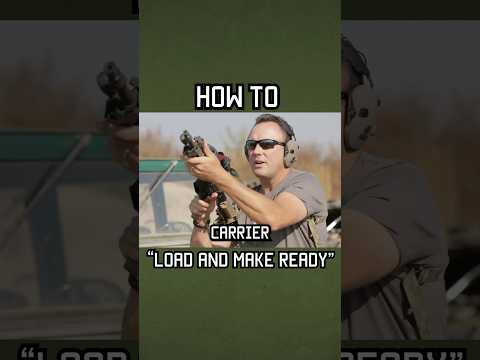
  3. 00:44Rifle Loading Procedure
  4. 01:16Weapons Ready to Engage
  5. 01:29Rifle Unloading Procedure
  6. 01:51Pistol Unloading Procedure
  7. 02:10Reasoning for Pistol-First Loading
  8. 02:30Conclusion & Call to Action

Frequently Asked Questions

What is the recommended order for loading a pistol and rifle in a tactical scenario?

It is recommended to load the secondary weapon (pistol) first before the primary weapon (rifle). This prevents a loaded rifle from being handled unnecessarily and potentially bouncing around, while the pistol is secured in its holster.

How do you perform a speed reload on an AR-15 rifle?

To perform a speed reload on an AR-15, use a 'beer can grip' on the magazine, insert it firmly, and pull to ensure it's seated. Release the bolt carrier, observe it close, and use the forward assist if necessary. Close the dust cover.

What are the key steps for safely unloading a pistol?

To safely unload a pistol, remove it from the holster, remove the magazine, lock the slide to the rear, visually inspect the empty chamber, and allow the slide to go forward before re-holstering.

Why is it important to visually check the chamber when loading and unloading firearms?

Visually checking the chamber is crucial for safety. It confirms whether a round is present or if the firearm is clear, preventing accidental discharges when loading and ensuring the weapon is truly unloaded when making it safe.

More Training & Techniques Videos You Might Like

More from Tactical Rifleman

View all →