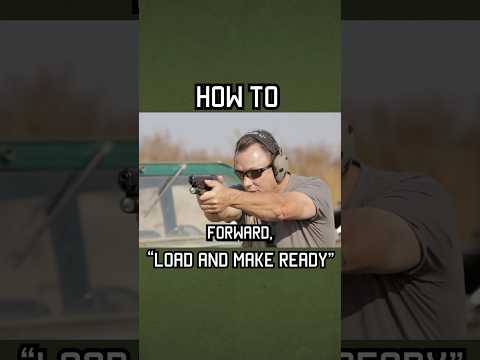
How To Reload Your Gun Under Pressure: Tactical Tuesday

Published on February 13, 2018
Duration: 3:41

This training drill focuses on automating the firearm reload process under pressure, specifically triggered by slide lock. Instructors emphasize that reloads should be a conditioned response to slide lock, not based on round count. The drill involves engaging targets and then executing a reload when the slide locks back, simulating a real-world self-defense scenario where ammunition depletion is a possibility.

Quick Summary

The primary stimulus for a tactical reload during a self-defense encounter should be the slide locking back. Training should focus on automating this response, ensuring it becomes a subconscious action when the firearm runs dry, rather than relying on counting rounds.

Chapters

  1. 00:02Introduction with USCCA and Bear Co Training
  2. 00:22Drill Overview: Reloading Under Pressure
  3. 00:36Focus on the Reload Process
  4. 00:53Magazine Preparation for Training
  5. 01:26Automating the Slide Lock Reload
  6. 01:45Executing the Drill
  7. 02:29Post-Drill Assessment and Takeaways
  8. 03:03Importance of Professional Training

Frequently Asked Questions

What is the primary trigger for a tactical reload during a self-defense situation?

The primary trigger for a tactical reload during a self-defense situation should be the slide locking back. This indicates an empty magazine, and training should focus on making this a conditioned response rather than counting rounds.

How should magazines be prepared for a reload training drill?

For reload training drills, magazines should be partially filled, typically between 40-60% capacity, with varying round counts. This prevents students from knowing the exact number of rounds and ensures they react to the slide lock stimulus.

Why is it important to practice reloads under pressure?

Practicing reloads under pressure, like in this drill, helps automate the process so it becomes a subconscious action during a high-stress self-defense encounter. This automation is crucial for maintaining effectiveness when the firearm runs dry.

What is the goal of the 'balance between speed and precision' drill mentioned?

The 'balance between speed and precision' drill, as described, aims to integrate accurate shooting with efficient and rapid reloads. The specific focus in this video is ensuring the reload is triggered by slide lock and performed effectively under simulated stress.

Related News

All News →

More Training & Techniques Videos You Might Like

More from USCCA

View all →