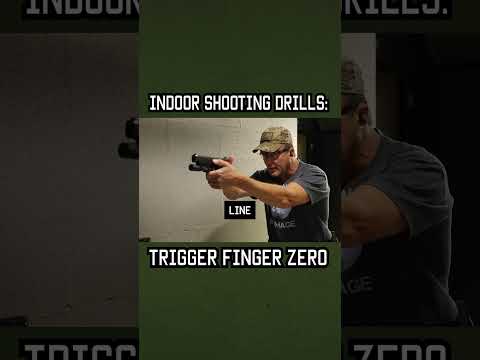
HOW TO SHOOT A GLOCK 101

Published on May 6, 2022
Duration: 19:04

This guide details fundamental shooting techniques for Glock firearms, emphasizing a proper stance, grip, and trigger control. The instructor, self-described as 'street certified,' breaks down how to manage recoil, position the hands and arms, and execute a smooth trigger pull. The content focuses on building a solid foundation for new shooters, highlighting common mistakes like improper finger placement and over-extending the arms.

Quick Summary

Learn essential Glock shooting techniques, including a stable fighting stance, proper two-handed grip, and smooth trigger control. Avoid common mistakes like curling your trigger finger or over-extending your arms. Focus on a firm wrist and leaning into the shot for better recoil management.

Chapters

  1. 00:56Firearm Introduction
  2. 01:29Stance Fundamentals
  3. 02:48Arm Positioning
  4. 03:21Support Hand Grip
  5. 03:43Trigger Pressure Focus
  6. 04:13Gun Insurance Discussion
  7. 05:36Ammunition Types (FMJ vs. Self-Defense)
  8. 06:53Recoil Management & Stance
  9. 07:28Trigger Control Practice
  10. 07:55Finger Placement Correction
  11. 09:26Grip Comfort & Range Practice
  12. 10:32Thumb Push Technique
  13. 11:58Smooth Shooting Practice
  14. 12:37Wrist Firmness for Recoil
  15. 14:15Holding the Firearm Straight
  16. 15:05Shot Group Analysis
  17. 15:48Dealing with Malfunctions

Frequently Asked Questions

What are the key elements of a proper shooting stance for a Glock?

A proper shooting stance involves a balanced, fighting-like posture. Your arms should be slightly bent to absorb recoil, and you should lean slightly forward into the shot. This stable base is fundamental for controlling the firearm and managing recoil effectively.

How should I position my hands and fingers for shooting a Glock?

Your support hand should 'cuff' the dominant hand, and you should squeeze and pull the gun downwards. Focus pressure on the index finger and other fingers of your dominant hand. Avoid curling your trigger finger, as this can cause shots to go left.

What's the difference between FMJ and self-defense rounds?

FMJ (Full Metal Jacket) rounds are designed to penetrate deeply and continue moving until stopped, posing an over-penetration risk. Self-defense rounds are engineered to expand upon impact, stopping within the target and reducing the chance of hitting unintended individuals.

Why is a firm wrist important when shooting a Glock?

A firm wrist is essential for controlling the forearm and effectively managing recoil. A loose or 'limp' wrist can lead to instability and inconsistent shot placement, making it harder to keep the firearm on target during rapid fire.

More Training & Techniques Videos You Might Like

More from GHG Hussle

View all →