How To Shoot A Gun With An Injured Hand: Tactical Tuesday

Published on September 5, 2017
Duration: 7:26

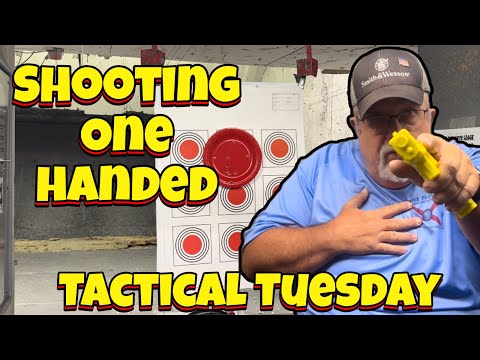
This training drill, presented by USCCA instructors, focuses on 'worst-case scenario' firearm manipulation when a dominant hand or trigger finger is injured. It emphasizes practicing shooting with the non-dominant hand and using alternative digits for trigger manipulation to maintain defensive capabilities in dire emergencies. The drill aims to build mental fortitude and familiarity with these unconventional shooting methods.

Quick Summary

This 'worst-case scenario' firearm drill teaches how to shoot with an injured hand or finger. It involves practicing with your non-dominant hand and using alternative digits for trigger manipulation to maintain defensive capabilities in emergencies. This training builds mental preparedness and familiarity with unconventional shooting methods.
Chapters

  1. 00:00Introduction and Drill Overview
  2. 00:48Drill Step 1: Non-Dominant Hand Shooting
  3. 01:48Target Setup and Distance
  4. 02:45Executing Non-Dominant Hand Shots
  5. 04:00Drill Step 2: Injured Trigger Finger Simulation
  6. 04:23Executing Injured Finger Shots
  7. 05:04Benefits and Takeaways
  8. 06:06Related Drills and Variations
  9. 06:55Concluding Safety and Training Advice

Frequently Asked Questions

What is the primary goal of the 'worst-case scenario' firearm drill?

The primary goal is to train individuals on how to effectively manipulate and fire a firearm when their dominant hand or primary trigger finger is injured or incapacitated, ensuring they can still defend themselves in an emergency.

How should one practice shooting with an injured hand?

The drill involves first practicing shooting with your non-dominant hand, focusing on grip and control. Subsequently, you practice using your dominant hand but deliberately avoid your primary trigger finger, using an alternative digit instead.

Is this drill recommended for frequent practice?

No, this drill is not recommended for frequent practice. It's intended as a 'worst-case scenario' preparation to build mental awareness and familiarity with alternative shooting methods for dire emergencies.

What are the key benefits of practicing these unconventional shooting techniques?

The benefits include developing mental fortitude, gaining familiarity with alternative shooting methods, strengthening grip and control with the non-dominant hand, and building confidence that you can still operate a firearm if injured.

More Training & Techniques Videos You Might Like

More from USCCA

View all →