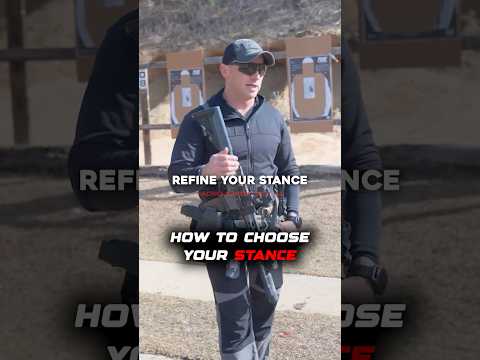
How To Shoulder Your Rifle The RIGHT Way

Published on November 28, 2022
Duration: 16:49

Properly shouldering a rifle is crucial for accuracy and recoil management. Key techniques include adopting a staggered 'fighting stance' for stability and bringing the rifle to your eye level rather than lowering your head. Stock placement on the pectoral muscle reduces the shooter's profile, and specific stock designs like the B5 SOPMOD offer better grip and surface area, especially when wearing body armor.

Quick Summary

Properly shoulder your rifle by adopting a staggered 'fighting stance' for stability and bringing the rifle to your eye level ('gun to face'). Place the stock on your pectoral muscle to reduce your profile and improve control, especially when wearing body armor.

Chapters

  1. 00:00Introduction to Shouldering
  2. 01:41The Fighting Stance Explained
  3. 03:31Gun to Face vs. Face to Gun
  4. 05:46Stock Placement & Profile Reduction
  5. 10:01Shouldering with Body Armor
  6. 11:31Stock Selection & Grip Tips

Frequently Asked Questions

What is the correct foot positioning for shouldering a rifle?

Adopt a staggered 'fighting stance' with your feet apart. This provides maximum stability and allows you to absorb recoil effectively, unlike standing with feet side-by-side which makes you easy to push over.

Should I lower my head to the gun or bring the gun to my face?

You should bring the rifle up to your eye level ('gun to face'). Lowering your head to the rifle ('face to gun') compromises your posture and situational awareness. Maintain a natural stance.

Where should the rifle stock be placed on the shoulder?

Place the stock on your pectoral muscle rather than deep in the shoulder pocket. This creates a slimmer profile, making you a smaller target and improving control, especially during rapid fire.

How does body armor affect rifle shouldering?

Body armor, like plate carriers, changes how the rifle stock sits. You may need to adjust the length of pull and ensure the stock's texture provides enough grip to prevent it from slipping off the slick armor surface.

Related News

All News →

More Training & Techniques Videos You Might Like

More from ClassicFirearms

View all →