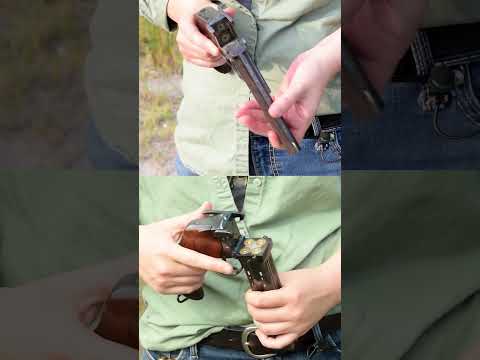
It's a Trap! 007: Blanton "Rifle" Trap

Published on February 23, 2021
Duration: 16:07

This guide details the operation and testing of the rare Blanton Trap, an antique hand trap from the UK. It covers its unique mechanical design, the challenging cocking process, and various firing techniques, emphasizing safety precautions due to its powerful spring mechanism. The assessment highlights its historical significance and compares it to other traps like the DuPont model.

Quick Summary

The Blanton Trap is a rare, antique spring-loaded hand trap from the UK, patented in 1922. It features a powerful folded metal overhead spring and a unique rotating sear. Cocking requires significant physical effort, and it exhibits a forward arm swing upon firing. While its mechanical components are praised, the DuPont Trap is often preferred for ease of use.

Chapters

  1. 00:00Introduction to the Blanton Trap
  2. 01:11Mechanical Design and Comparison
  3. 02:45Range Testing: Shoulder and Hip Firing
  4. 08:15Handling Challenges and Firing Techniques
  5. 12:11Patent History and Final Assessment

Frequently Asked Questions

What is the Blanton Trap and where is it from?

The Blanton Trap is a rare, antique spring-loaded hand trap, often referred to as a 'trap rifle.' It was designed and patented in the United Kingdom in 1922 by Richard Blanton.

What are the key mechanical features of the Blanton Trap?

The Blanton Trap is characterized by its folded metal overhead spring and a unique rotating sear mechanism. This design differs from other traps like the DuPont model, which also uses an overhead spring.

What are the challenges associated with operating the Blanton Trap?

Operating the Blanton Trap requires significant physical effort to cock due to its powerful spring. It also exhibits a noticeable forward arm swing upon firing, which can affect the operator.

How does the Blanton Trap compare to the DuPont Trap?

While the Blanton Trap boasts superior sear and stock design, the DuPont Trap is generally considered easier to use. Both feature overhead spring mechanisms but differ in their specific internal workings.

More Training & Techniques Videos You Might Like

More from C&Rsenal

View all →