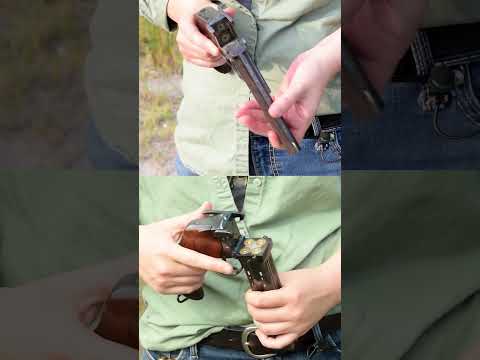
It's a Trap! 025: Aksel Johnsen Hand Trap

Published on May 6, 2025
Duration: 22:18

This video examines the Aksel Johnsen Hand Trap, a patented but seemingly unproduced device from the late 1930s. The presenters discuss its simple wire-and-wood construction, its patent history with Remington Arms, and its potential as a prototype. They test its functionality with clay targets, noting its unique design and performance characteristics, ultimately finding it to be a surprisingly effective, albeit unconventional, hand trap.


Quick Summary

The Aksel Johnsen Hand Trap, patented in 1935 and assigned to Remington Arms, is a remarkably simple device featuring a bent wire and wooden grip. Likely a prototype, it was never commercially produced. Testing revealed inconsistent performance due to clay diameter fit, but with proper technique, it could launch targets effectively, with one throw reaching approximately 70 yards.

Chapters

  1. 00:10Introduction to the Aksel Johnsen Hand Trap
  2. 00:39Patent History and Remington Arms Connection
  3. 01:05Describing the Simple Design
  4. 01:15Speculation on Prototype Status
  5. 01:26Discovery of Modified Examples
  6. 02:02Wire Bending Perfection and Prototype Theory
  7. 02:34Testing the Hand Trap's Functionality
  8. 03:22Initial Throwing Attempts and Challenges
  9. 04:19Analyzing Performance Issues (Tension)
  10. 04:34Successful Clay Launches
  11. 05:19Curvature Mismatch and Prototypical Nature
  12. 05:36Testing with Different Clay Types
  13. 06:00Clay Diameter and Trap Fit Discussion
  14. 06:47Positive Performance Observations
  15. 07:01Refining the Throwing Technique
  16. 07:23Prototype Wear and Tear
  17. 07:46Experiencing the Trap's Feel
  18. 08:07The Trap's Unconventional Nature
  19. 08:22Safety and Hand Placement
  20. 09:03Identifying the Core Problem (Tension/Height)
  21. 09:26Doubles Throwing Potential
  22. 09:40Testing Doubles with Rubber Stops
  23. 10:09Comparing Trap Tine Fit
  24. 10:32Single Throw Performance
  25. 10:53Long-Distance Clay Launch
  26. 11:16Comparing to Other Traps
  27. 11:24Positive Impression and 'Marlin Vibes'
  28. 11:33Device Overheating Issue
  29. 12:03Broken Clays and Setup Issues
  30. 12:16Debate on Modifying Designs
  31. 12:40Risk of Clacking Clays Together
  32. 13:02Arm Strain and Throwing Technique
  33. 13:43Concern About Hitting Objects
  34. 13:47Successful Doubles Throw
  35. 13:56Reiterating 'Marlin Vibes'
  36. 14:01Trap Tuning and Wear
  37. 14:10Examining Tine Adjustments
  38. 14:40Throwing for Loft and Distance
  39. 15:03Clays Diving and Hammering
  40. 15:13Performance Anxiety and Dropping Clays
  41. 15:28Successful Doubles with Good Separation
  42. 15:36Why Wasn't This Produced?
  43. 15:58Final Thoughts and Liking the Trap
  44. 16:10The 'Marlin Vibe' Appeal
  45. 16:25Tine Height Differences and Intent
  46. 16:38Comparing Trap Wear and Tuning
  47. 17:02Desire for Modern Production
  48. 17:18Licensing and Production Ideas
  49. 17:47Call to Action: Support the Channel
  50. 18:14Pawn Shop Analogy for Value
  51. 19:10Restoring Hope in the Series
  52. 19:17Reasons for Non-Production
  53. 19:45Cost-Effectiveness of Production
  54. 19:57Concluding Thoughts on the Trap
  55. 20:28Aksel Johnson Throw Recap
  56. 20:39Age and Mortality Reflections
  57. 21:08Age and Physical Sensation
  58. 21:18Sudden Physical Reaction
  59. 22:04Handing Off Traps Randomly
  60. 22:13Friendship and Show Dynamics

Frequently Asked Questions

What is the Aksel Johnsen Hand Trap?

The Aksel Johnsen Hand Trap is a firearm accessory patented in 1935 and granted in 1938, assigned to Remington Arms Company. It features a very simple design consisting of a bent wire attached to a wooden grip, likely intended for throwing clay targets.

Why was the Aksel Johnsen Hand Trap likely not commercially produced?

It is speculated that the Aksel Johnsen Hand Trap was not commercially produced because its design was too simple, appearing more like a homemade project or an early prototype. Remington Arms may have been protecting the design without intending to manufacture it.

How does the Aksel Johnsen Hand Trap perform when throwing clay targets?

Performance testing showed mixed results. While initially inconsistent, with some clays not fitting perfectly, the trap proved capable of launching targets effectively, with one throw achieving approximately 70 yards. Proper technique and clay diameter are crucial.

What is the significance of the 'Design' stamp on the Aksel Johnsen Hand Trap?

The handstamped word 'Design' on one of the Aksel Johnsen Hand Traps suggests that a design patent may have been filed for it. However, it's unclear if this specific design patent was ever granted, adding to the mystery of its development.

What is the connection between the Aksel Johnsen Hand Trap and the Remington Automatic?

One of the tested Aksel Johnsen Hand Traps appears to be a modification of a Remington Automatic. This suggests that Remington Arms, which held the patent for the hand trap, may have experimented with integrating the trap mechanism into existing firearm platforms or using parts from them.

More Training & Techniques Videos You Might Like

More from C&Rsenal

View all →