Know Your Firearm: Shotgun | Firearm Safety & Hunter Safety | MidwayUSA

Published on June 9, 2011
Duration: 2:00

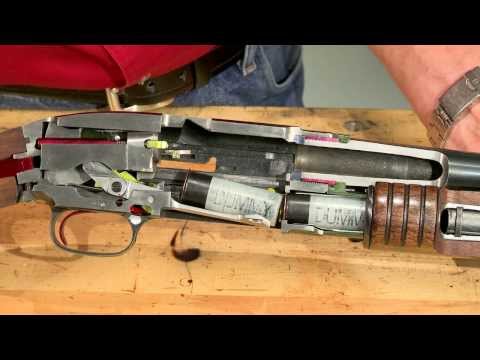
This guide, presented by Larry Potterfield of MidwayUSA, covers essential shotgun safety rules and basic operation of different action types. It emphasizes the importance of understanding safety mechanisms, proper handling procedures for pump-action, semi-automatic, and break-open shotguns, and the critical need to always consult the owner's manual. Expert instruction is provided on fundamental firearm safety.

Quick Summary

Always follow basic firearm safety rules: keep the muzzle pointed in a safe direction, keep your finger off the trigger, ensure the firearm is unloaded, and put it on safe. Safety locations vary on shotguns, and you should never rely on a mechanical safety as a substitute for safe gun handling. Always consult your owner's manual for proper procedure.

Chapters

  1. 00:00Introduction to Shotgun Safety
  2. 00:15Basic Firearms Safety Rules
  3. 00:31Mechanical Safety Importance
  4. 00:40Cross-Bolt Safety Design
  5. 00:52Other Safety Locations
  6. 01:06Adult Supervision and Expert Advice
  7. 01:16Shotgun Action Types
  8. 01:21Pump Action Operation
  9. 01:32Semi-Automatic Action Operation
  10. 01:40Break-Open Action Operation
  11. 01:45Consulting Owner's Manual
  12. 01:51Firearm Safety Conclusion

Frequently Asked Questions

What are the basic firearm safety rules for shotguns?

The four fundamental firearm safety rules are: always keep the muzzle pointed in a safe direction, keep your finger away from the trigger, make sure the firearm is unloaded, and put it on safe when not in use. These rules are critical for all firearm handling.

Where are safeties typically located on shotguns?

Shotgun safeties vary; common locations include the cross-bolt behind the trigger guard, the tang on top of the receiver, or inside the trigger guard. Some shotguns may not have an external manual safety.

How do you operate different types of shotgun actions?

Pump-action shotguns require cycling the fore-end and often pressing an action release button. Semi-automatic shotguns have specific charging handle and bolt release procedures. Break-open shotguns usually operate with a lever to open the action.

Why is it important to consult the owner's manual for a shotgun?

The owner's manual provides crucial, model-specific information on safe operation, maintenance, and proper handling procedures for your particular shotgun. It ensures you understand its unique mechanisms and safety features.

More Training & Techniques Videos You Might Like

More from MidwayUSA

View all →