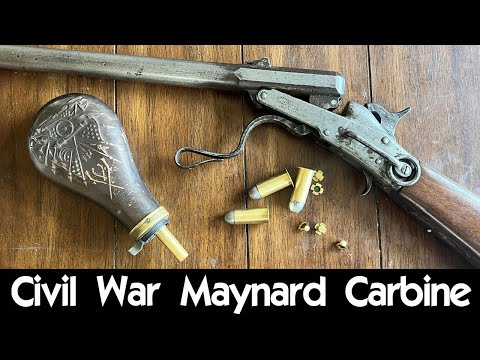
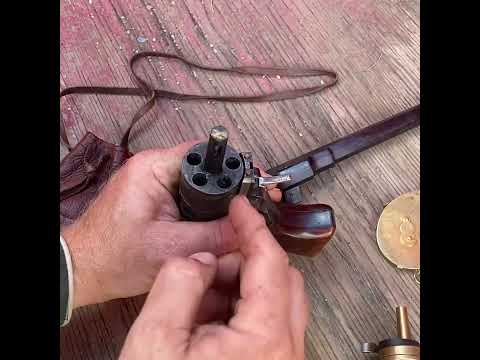
Loading and firing the US Civil War Maynard Carbine

Published on January 20, 2024
Duration: 1:01

This guide details the operation of the US Civil War era Maynard Carbine, a break-action breech-loader. Expert Karl Kasarda demonstrates the unique loading process using specialized brass cartridges and the lever-actuated mechanism. The demonstration covers firing, the resulting black powder smoke, and manual extraction of spent casings, highlighting its efficiency over muzzle-loaders.

Quick Summary

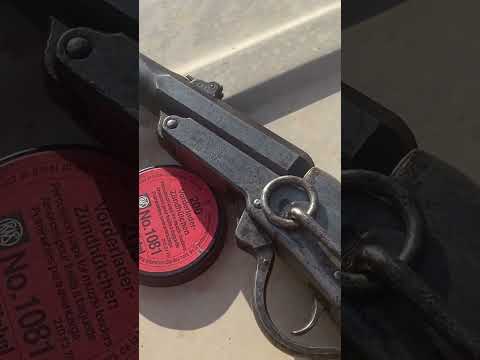
The US Civil War Maynard Carbine is a break-action breech-loader. Loading involves tilting the barrel forward, inserting a .50 caliber brass cartridge, closing the action via an under-lever, cocking the hammer, and firing. Spent casings are manually extracted.

Chapters

  1. 00:00Introduction to Maynard Carbine Loading
  2. 00:04Break-Action Mechanism Demonstration
  3. 00:10Firing Sequence and Black Powder Ignition
  4. 00:15Spent Casing Extraction and Reloading

Frequently Asked Questions

How is the US Civil War Maynard Carbine loaded?

The Maynard Carbine is loaded by first opening the breech via its break-action mechanism, tilting the barrel forward. A specialized .50 caliber brass cartridge is then inserted into the chamber before closing the action with the under-lever.

What type of action does the Maynard Carbine use?

The Maynard Carbine features a break-action breech-loading mechanism. This allows the barrel to pivot downwards or forwards, hinged from the rear, to expose the chamber for loading and extraction of cartridges.

What makes the Maynard Carbine's ammunition unique?

The Maynard Carbine utilizes specialized .50 caliber brass cartridges. These cartridges are designed with a wide rim and a flash hole to ensure reliable ignition of the black powder charge when struck by the hammer.

What are the key steps in firing the Maynard Carbine?

After loading and closing the action, the external hammer must be cocked. The shooter then aims and squeezes the trigger. Following the shot, the breech is opened again to manually extract the spent casing.

More Training & Techniques Videos You Might Like

More from InRangeTV

View all →