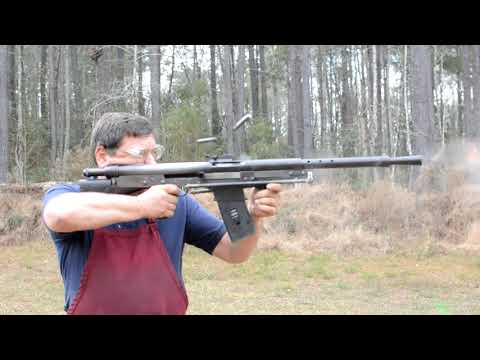
Lock Time- Visualized

Published on May 21, 2020
Duration: 5:44

This video visually demonstrates and compares the lock times of different firearms, including a 1778 flintlock, an 1820s flintlock, and a Webley Fosbury revolver. It highlights how significantly slower flintlock ignition is compared to modern centerfire mechanisms, emphasizing the need for specialized training and follow-through when shooting flintlocks to achieve accuracy.

Quick Summary

Lock time is the interval between trigger pull and projectile exit. Shorter lock times, like those in modern centerfire firearms, are critical for accuracy by minimizing shooter error. Historical flintlocks have much longer lock times due to their ignition process, requiring specialized training to maintain sight alignment and avoid flinching.

Chapters

  1. 00:00Introduction to Lock Time
  2. 00:22Comparing Firearms: Flintlocks vs. Webley Fosbury
  3. 00:56Full Speed Comparison
  4. 01:06Slow Motion Analysis Begins
  5. 01:21Synchronization and Ignition Detection
  6. 01:43Flintlock Ignition Evidence
  7. 01:59Time Difference: Hammer to Fire
  8. 02:35Webley Fosbury Ignition Speed
  9. 02:39Flintlock Ignition Mechanics (Ferguson)
  10. 03:00Webley Ignition vs. Ferguson Ignition
  11. 03:32Ejecta Pattern Analysis
  12. 03:50Webley's Readiness vs. Ferguson's Ignition
  13. 04:02Audio Track Synchronization
  14. 04:14Visual Time Lag Confirmation
  15. 04:31Impact of Lock Time on Shooting
  16. 04:51The Challenge of Shooting Flintlocks
  17. 05:08Practice and Skill Development
  18. 05:22Daily Practice Benefits
  19. 05:36Conclusion: Aim Small Miss Small

Frequently Asked Questions

What is lock time in firearms and why is it important?

Lock time refers to the duration between the trigger being pulled and the projectile leaving the barrel. It's crucial for accuracy, as a shorter lock time reduces the window for shooter error, such as flinching or moving the sights, making it easier to hit the target.

How does a flintlock's lock time compare to a modern revolver?

Flintlock firearms have significantly longer lock times due to their ignition process, which involves a priming powder igniting a fuse that then ignites the main charge. Modern centerfire revolvers, like the Webley Fosbury shown, have near-instantaneous ignition, making them far easier to shoot accurately.

What visual cues indicate a flintlock's ignition delay?

In slow motion, the delay in flintlock ignition is evident. You can see the hammer fall and priming powder ignite, but the main charge ignites later, sometimes with visible burning powder still ejecting from the pan, indicating the projectile hasn't yet moved significantly.

What challenges do shooters face when using flintlock firearms?

The primary challenge with flintlocks is their long lock time, which requires extensive practice to overcome the natural tendency to flinch or move the firearm during the delay. Shooters must consciously stay on the front sight throughout the entire ignition sequence.

More Training & Techniques Videos You Might Like

More from Mark Novak

View all →