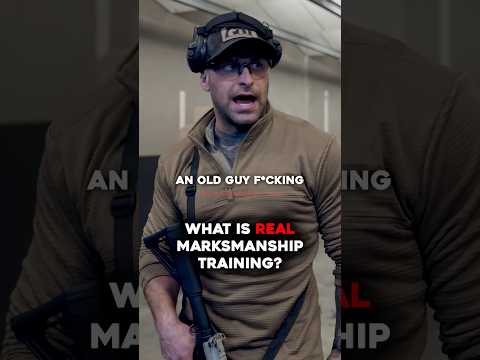
Logical Progressions: Amateurs vs. Professionals

Published on December 11, 2025
Duration: 1:30

This video from Regular Guy Training LLC emphasizes the critical role of logistics in firearms training and daily operations, differentiating between amateur and professional mindsets. Professionals prioritize logistics, understanding that upgrading essential starter gear to its highest potential is more effective than acquiring numerous niche items. The host, identified as a professional firearms instructor, highlights how gear like gun belts and plate carriers are acquired as training progresses.

Quick Summary

Professionals in firearms training prioritize logistics over tactics, recognizing its crucial role in daily operations. The recommended gear progression involves upgrading essential starter equipment to its highest potential rather than accumulating numerous niche items. This strategic approach ensures optimal performance and readiness.

Chapters

  1. 00:00Logistics Importance
  2. 00:13Amateurs vs. Professionals
  3. 00:20Gear Progression
  4. 00:45Upgrading Core Gear

Frequently Asked Questions

Why is logistics important in firearms training?

Logistics are crucial because they form the backbone of daily operations and sustained readiness, often overlooked by amateurs who focus solely on tactics. Professionals understand that effective logistics enable consistent performance and preparedness.

What is the difference between amateur and professional approaches to firearms training?

Amateurs tend to focus primarily on tactical elements. Professionals, however, prioritize logistics as their main concern, recognizing that efficient planning and resource management are key to effective and consistent performance.

What is the recommended gear progression for firearms training?

Instead of constantly buying new, niche items, the recommended progression is to focus on upgrading your initial starter gear to its highest potential. This ensures your foundational equipment is optimized before acquiring specialized accessories.

What types of gear are commonly acquired as training progresses?

As shooters advance in their training, they often acquire additional gear to augment their capabilities. Common examples include specialized gun belts designed for carrying equipment and plate carriers for ballistic protection.

More Training & Techniques Videos You Might Like

More from Regular Guy Training LLC

View all →