Long Range Pursuit | S1 E20 The Gunwerks Ballistic Solution

Published on May 3, 2017
Duration: 21:32

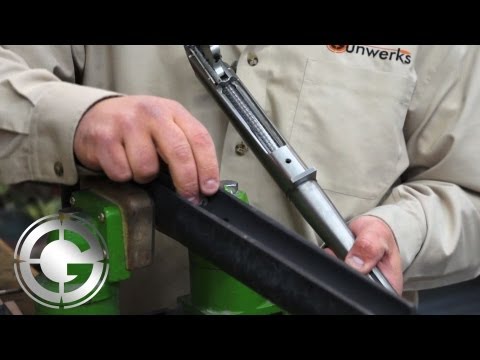
This video provides an expert-level guide to long-range shooting, focusing on the Gunwerks ballistic compensation system. It details how to establish a true ballistic profile by validating calculated trajectories with field results, and how to apply this data using specialized tools like the G7 ballistic turret and rangefinder. The instruction covers fundamental ballistics, equipment setup, and practical techniques for wind doping and shooting stability, emphasizing a simplified, integrated approach to achieving accurate long-range shots.

Quick Summary

Gunwerks ensures long-range accuracy by establishing a 'true ballistic profile' through field validation of calculated trajectories. This profile is then integrated with tools like the G7 ballistic turret and rangefinder, which provide real-time solutions by accounting for environmental factors like air density and incline, simplifying elevation and windage adjustments for shooters.

Chapters

  1. 00:51Introduction to Long Range Shooting Fundamentals
  2. 01:04Understanding Ballistics: BC, Velocity, Air Density
  3. 01:18Parameters Affecting Trajectory
  4. 02:28Impact of Air Density Changes
  5. 02:53Effect of Ballistic Coefficient and Muzzle Velocity
  6. 03:17Applying Ballistic Compensation
  7. 03:51Trajectory Validation and True Ballistic Profile
  8. 04:32Applying the Ballistic Solution in the Field
  9. 04:47Riflescope as an Aiming Tool
  10. 05:09Elevation Turret vs. Reticle System
  11. 05:23Windage Compensation with Reticle
  12. 05:45Tools for Tracking Numbers and Real-Time Solutions
  13. 05:57G7 Ballistic Turret Explained
  14. 06:26G7 Rangefinder Functionality
  15. 06:45G7 Ballistic Compensation Method Summary
  16. 07:11Gunwerks LR-1000 System Overview
  17. 07:40Rangefinder for Real-Time Corrections
  18. 08:03Inputting Ballistic Information into Rangefinder
  19. 08:19Rangefinder Output Modes: Corrected Range vs. MOA
  20. 08:34Using the BDC Turret with Rangefinder
  21. 09:21Rangefinder Output in MOA
  22. 09:55MOA Output for Super Long Ranges
  23. 10:33MOA Mode and Windage Hold
  24. 11:15Major Components of a Rifle System
  25. 11:35The Barrel: Manufacturing and Fitting
  26. 12:14Chamber and Crown Operations
  27. 12:44Ceramic Finish for Corrosion Resistance
  28. 12:52Rifle Action Similarities to Remington Model 700
  29. 13:19One-Piece Machined Bolt
  30. 13:34Extractor and Bolt Face Details
  31. 13:56Hard-Chrome Coating on Bolts
  32. 14:02Dual External Adjustment Trigger Assembly
  33. 14:22Scope Ring and Action Pin System
  34. 14:56Chassis System and Rifle Stock
  35. 15:08Stock Design: Fore-end, Grip, Cheek Piece
  36. 15:52CNC Machining for Inletting
  37. 16:03Chassis System: V-Block and Recoil Lug
  38. 16:17Final Assembly and Barrel Break-in
  39. 16:25Calibrating Ballistic Turrets and Scopes
  40. 16:55Shooting Techniques and Tips
  41. 17:17Front and Rear Support for Stability
  42. 17:29Breathing and Trigger Pull Practice
  43. 17:45Proper Body Alignment
  44. 18:12Sideways Approach to the Rifle
  45. 18:42Determining Wind Speed and Direction
  46. 18:49Using a Wind Meter
  47. 19:36Observing Vegetation for Wind Clues
  48. 20:09Analyzing Atmospheric Distortion (Mirage)
  49. 20:35Mirage Patterns and Wind Speed Correlation
  50. 20:56Simplified Long Range Shooting Process
  51. 21:03Conclusion and Encouragement

Frequently Asked Questions

What are the key factors influencing a rifle's trajectory for long-range shooting?

The primary factors are ballistic coefficient (BC) of the bullet, muzzle velocity, and air density. Air density is affected by altitude and temperature, with denser air causing more drag and a shorter trajectory. Understanding and compensating for these elements is crucial for accurate long-range shots.

How does Gunwerks ensure accurate ballistic solutions for their long-range systems?

Gunwerks establishes a 'true ballistic profile' by validating calculated trajectories with actual field shooting data. This profile is then used with tools like the G7 ballistic turret and rangefinder to provide real-time, accurate ballistic solutions tailored to specific environmental conditions.

What is the role of the G7 rangefinder in long-range shooting?

The G7 BR2 rangefinder measures environmental factors like air density and incline, then calculates real-time ballistic solutions. It can output these solutions as a corrected range for BDC turrets or in MOA for extended ranges, and also provides windage hold recommendations.

What are the recommended techniques for stable long-range shooting?

Stable long-range shooting involves a sideways approach to the rifle, rolling the shoulder into the stock, and using both front and rear supports. Practicing breathing control and trigger pull is also essential for consistency and accuracy.

How can shooters determine wind speed and direction for long-range shots?

Wind can be assessed using a wind meter for crosswind components, observing vegetation movement, or analyzing atmospheric mirage. Different mirage patterns, such as boiling straight up or angling, correlate to specific wind speeds and directions.

More Training & Techniques Videos You Might Like

More from Gunwerks

View all →