Low Light Recce Carbine with Follow Through Consulting

Published on January 6, 2025
Duration: 11:39

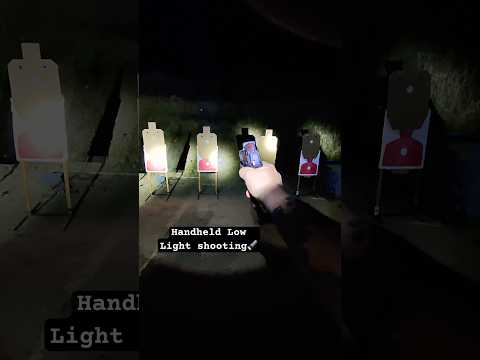
This 3-day low-light carbine recce class by Follow Through Consulting, taught by Buck Doyle, emphasizes realistic training in natural terrain at intermediate distances. The course progresses from zero confirmation and flat range drills to extensive low-light shooting, focusing on passive aiming and incorporating movement. The final day culminates in a timed competition, integrating stress and pressure to hone speed and accuracy.


Quick Summary

The Follow Through Consulting 3-day low-light carbine recce class focuses on realistic training in natural terrain at intermediate distances. Key elements include passive aiming for low-light engagements, movement drills, and timed competition stages to enhance speed and accuracy under pressure. A rifle with an optic and white light is the minimum gear requirement.

Chapters

  1. 00:00Introduction to Low Light Carbine Recce Class
  2. 00:15Course Overview and Location
  3. 01:15Initial Zero Confirmation and Drills
  4. 03:17Low Light Training: Passive Aiming
  5. 03:54Day Two: Natural Terrain Shooting
  6. 05:30Alternative Low Light Training Location
  7. 06:00Instructor Insights and Training Philosophy
  8. 06:43Steel Target Engagement
  9. 06:51Day Three: Competition and Timed Stages
  10. 08:16Course Strengths: Natural Terrain & Minimal Flat Range
  11. 09:09Backstory on Techniques
  12. 09:22Who is This Course For?
  13. 09:46Gear Considerations for Low Light
  14. 10:43Conclusion and Course Recommendation

Frequently Asked Questions

What is the primary focus of the Follow Through Consulting low-light carbine recce class?

The 3-day class emphasizes realistic training in natural terrain at intermediate distances, both day and night. A key focus is on passive aiming techniques for low-light engagements, alongside movement drills and timed competition stages to build speed and accuracy under pressure.

What are the essential gear requirements for the low-light carbine training?

A rifle with an optic and a white light is the minimum requirement. While night vision optics and illuminators are beneficial, the course prioritizes passive aiming, meaning effective engagement can be achieved with basic setups, especially when using night vision.

How does this carbine course differ from traditional flat range training?

This course significantly minimizes time spent on flat ranges and paper targets. Instead, it focuses on engaging steel targets in natural terrain, incorporating movement and varied shooting positions to simulate more realistic 'recce' scenarios.

What is passive aiming in the context of low-light shooting?

Passive aiming means identifying and engaging targets using only ambient light and night vision devices, without projecting any active illumination. This technique helps maintain a lower profile and avoid giving away your position in low-light conditions.

More Training & Techniques Videos You Might Like

More from Kit Badger

View all →