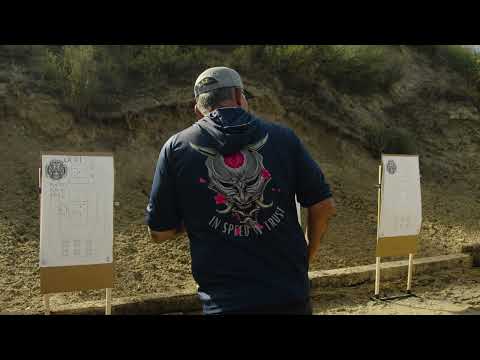
Marksmanship and Honesty!

This video emphasizes honesty as a critical component of marksmanship, both with oneself and with teammates. It details how providing truthful feedback after each shot is essential for improvement, especially when identifying trigger control issues. The instructor also discusses the importance of evaluating shot opportunities, particularly in tactical and hunting scenarios, stressing that confidence and understanding consequences are paramount before taking a shot.

Quick Summary

Honesty is the most critical component of marksmanship. It involves truthfully assessing your trigger control, shot execution, and providing accurate feedback to spotters. In hunting and tactical situations, honesty with yourself about your confidence and the potential consequences of a shot is paramount for ethical and effective engagement.

Chapters

  1. 00:13Introduction: Honesty in Marksmanship
  2. 00:32The Importance of Honest Feedback
  3. 01:31What Honest Feedback Looks Like
  4. 02:26Self-Discipline and Trigger Assessment
  5. 03:06The Shooter as the Weakest Link
  6. 03:36Bringing Honesty to Marksmanship
  7. 04:16Should You Take a Shot? Non-Tactical
  8. 05:58Should You Take a Shot? Tactical
  9. 06:45Consequences of Taking a Shot
  10. 07:42The Bigger Picture Beyond the Scope
  11. 08:11Recap: Honesty and Readiness
  12. 08:48Mental Process and Honesty
  13. 09:02Conclusion and Call to Action

Frequently Asked Questions

Why is honesty crucial for improving marksmanship skills?

Honesty is crucial because it allows shooters to accurately identify their mistakes in trigger control and shot execution. Without truthful self-assessment and feedback to a spotter, it's impossible to diagnose and correct the root causes of inaccuracy, hindering overall improvement.

How should a shooter provide honest feedback after a shot?

After each shot, a shooter must honestly assess their trigger break, reticle stability, and body position. Instead of making excuses, they should clearly communicate what they felt during the shot, enabling a spotter or coach to provide targeted guidance.

When should a shooter refrain from taking a shot in a hunting scenario?

In hunting, a shooter should refrain from taking a shot if they lack full confidence in its success. Even at close range, if adrenaline or rushed conditions lead to uncertainty about shot placement, it's better to wait for a more controlled opportunity to avoid wounding the animal.

What are the key considerations before taking a shot in a tactical situation?

Before taking a tactical shot, consider the consequences: Is it necessary? What are the risks of missing or hitting unintended targets? Evaluate if you have the luxury of not engaging immediately, if your position is compromised, and if gathering more intelligence without firing is a better option.

Related News

All News →

More Training & Techniques Videos You Might Like

More from AK Operators Union, Local 47-74

View all →