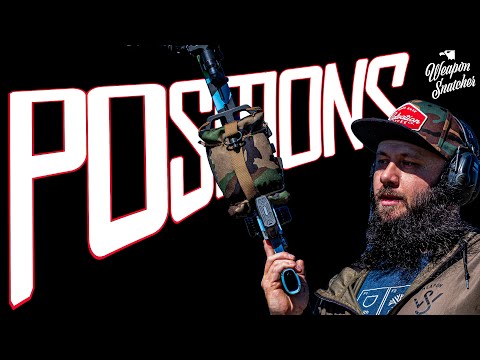
Most Shooters Use Barricades Wrong — Here’s the Better Way

Published on March 30, 2026
Duration: 10:45

This guide details advanced techniques for stabilizing pistol shots using cover and barricades, differentiating between tactical and competitive applications. It emphasizes maintaining proper body weight distribution, utilizing support points effectively, and practicing stable prone and kneeling positions for enhanced accuracy and security. The instruction highlights the importance of mastering these positions through dry-fire to maximize time and stability in dynamic shooting scenarios.

Quick Summary

For stable pistol shooting from a barricade, avoid leaning heavily on your wrist. Instead, rest your palm and wrist bone on the edge to support your arm and gun weight, freeing your hands for normal shooting mechanics. Keep your body weight on your hips and lean back slightly to lighten your arms.

Frequently Asked Questions

What is the best way to stabilize a pistol when shooting from a barricade?

Instead of leaning heavily on the barricade with your wrist, which strains grip, try resting your palm and wrist bone on the edge. This allows the weight of your arm and gun to be supported, freeing your hands for normal shooting mechanics and improving stability.

How should I position my body when shooting a pistol from a barricade?

Keep the majority of your weight on your center line and hips, leaning back slightly rather than forward. This lightens your arms and hands, reducing the need for upper body support and allowing your hands to focus on shooting.

What is a stable technique for shooting a pistol from a prone position?

For head-on prone shooting, lay down on your shoulder and arm, extending your arms out. This creates a full-body rest, similar to rifle prone shooting, offering significant stability without compromising your natural shooting posture.

How does tactical barricade use differ from competitive shooting?

In tactical situations, barricades are primarily for cover and concealment, prioritizing security from incoming threats over aggressive stabilization. In competitive shooting, stabilization is often prioritized because the threat is controlled, allowing for more exposure.

More Training & Techniques Videos You Might Like

More from USCCA

View all →