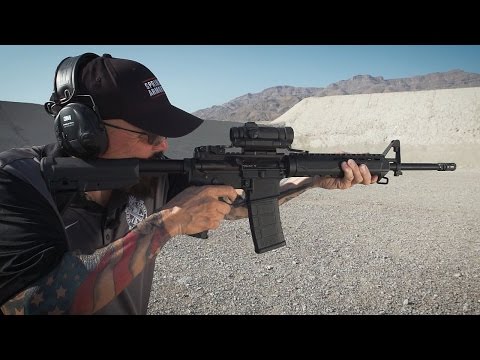
This guide details advanced techniques for stabilizing pistol shots using cover and barricades, differentiating between tactical and competitive applications. It emphasizes maintaining proper body weight distribution, utilizing support points effectively, and practicing stable prone and kneeling positions for enhanced accuracy and security. The instruction highlights the importance of mastering these positions through dry-fire to maximize time and stability in dynamic shooting scenarios.
This guide, presented by an expert from Warrior Poet Society, details tactical considerations for engaging an active shooter. It emphasizes counter-ambush positioning, utilizing cover, maintaining situational awareness to avoid friendly fire, and correctly identifying threats versus law enforcement. The advice is framed within the context of a real-world scenario in Austin, TX.
This training drill, demonstrated by Administrative Results, focuses on engaging simulated prone adversaries utilizing cover at increasing distances (50, 118, and 261 yards). The drill emphasizes proper prone shooting mechanics, efficient weapon manipulation including rapid reloads, and consistent accuracy at varying ranges. It's designed for advanced shooters looking to refine their skills in dynamic cover scenarios.
This video from Tactical Rifleman addresses the critical decision of whether to reload a rifle or transition to a pistol during a firefight. The instructor emphasizes that the optimal choice is highly situational, depending on factors like distance to target, availability of cover, and the nature of the rifle malfunction. The core takeaway is to assess the situation rapidly and choose the action that most effectively keeps you in the fight.
This guide details techniques used in a Backup Gun (BUG) match, focusing on the M1911A1. Expert Ian McCollum demonstrates stage strategies including target engagement, reloading, and utilizing cover. The M1911A1's reliability is highlighted, with practical advice on trigger control for accuracy.
This entry analyzes a real-world self-defense incident, offering expert insights from Active Self Protection's John Correia. It details the importance of situational awareness, proper firearm deployment under duress, effective use of cover, and prioritizing family safety. The analysis emphasizes training for realistic engagement distances and preparedness through emergency plans.
This Q&A session covers various aspects of practical shooting, including firearm preferences (P90 vs. MP7, G41 vs. G43), ammunition storage, optic choices for competition, and the importance of physical fitness, particularly cardio and sprinting, for two-gun matches. It also touches on the challenges of incorporating cover into match design and the evolution of firearms like the AR-15 platform.
This video emphasizes the critical importance of training for real-world gunfights, which often involve fighting from compromised positions. It highlights a San Francisco police officer's actions after being shot, demonstrating the ability to reload and return fire from a supine position, and utilizing cover effectively. The core message is that standard range practice is insufficient; training must incorporate dynamic scenarios, varied shooting positions, and the use of cover to prepare for the chaos of a gunfight.
This drill, demonstrated by Steve Fischer and Mike Brickner of USCCA, focuses on transitioning from a standing to a kneeling shooting position. It highlights the tactical advantages of kneeling for cover and mitigating over-penetration risks in crowded environments. The drill involves drawing, kneeling, firing a controlled pair, scanning, standing, re-assessing, and re-holstering.
This video demonstrates a withdrawal drill focused on gaining distance from a threat, a critical skill for concealed carry. The instructor emphasizes that many confrontations begin at close range and highlights the importance of creating space to effectively use sights and trigger control. A variation incorporating cover is also shown, illustrating how to use environmental elements to your advantage during a defensive encounter.
Steve Horseman from Springfield Armory demonstrates the 'Lefty Righty Drill,' a valuable training exercise for transitioning a firearm between primary and support sides. This drill enhances the ability to use cover effectively and is beneficial for shooters of all levels, whether using iron sights or red dots. Consistent practice builds comfort and proficiency in shooting from both sides.
This guide details the Lefty Righty Drill, a crucial technique for firearm transitions taught by expert instructor Steve Horsman. The drill emphasizes using cover effectively by minimizing body exposure when engaging targets from different sides of an obstacle. It also highlights the importance of keeping both eyes open for enhanced situational awareness, especially when using red dot optics or iron sights.
Gun Laws by State
Read firearms regulations for all 50 states + D.C.
Find Gun Dealers
Search licensed FFL dealers near you.