NOIR | S6: "Weapon Transition"

Published on November 21, 2017
Duration: 6:44

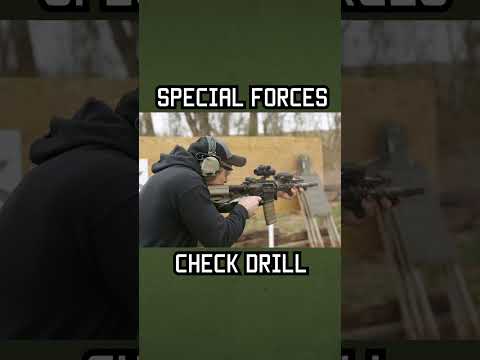
This video details the critical technique of transitioning between firearms, emphasizing speed, layering security, and proper equipment for home defense scenarios. It breaks down the steps for smoothly moving from a primary weapon to a secondary when the primary malfunctions or runs dry, focusing on maintaining situational awareness and getting back into the fight quickly. The instruction highlights the importance of practice and muscle memory for effective transitions under stress.

Quick Summary

Master firearm transitions for home defense by focusing on speed, layering security, and having the right equipment. Practice smoothly moving from a primary to a secondary weapon when the primary malfunctions, ensuring you can quickly re-engage threats while maintaining situational awareness.

Chapters

  1. 00:45Introduction to Home Defense Scenarios
  2. 01:28Context Drives Actions: Home Defense
  3. 02:01Three Keys: Speed, Layering Security, Equipment
  4. 02:08The Importance of Speed in Confrontations
  5. 02:21Transitioning Firearms: Primary to Secondary
  6. 02:54Layering Security in Home Defense
  7. 03:35Choosing the Right Equipment
  8. 04:22Executing the Firearm Transition Sequence
  9. 05:24Why Transition in CQB Environments?
  10. 05:57How to Improve Transition Skills
  11. 06:26Recap: Speed, Layering, Equipment

Frequently Asked Questions

What are the three most important factors in a firearm confrontation?

The three most important factors in a firearm confrontation are speed, layering your security, and having the right equipment. Speed is critical as every split second counts in getting your firearm back into the fight, especially when protecting family.

When is firearm transition most critical in a home defense scenario?

Firearm transition is most critical in a home defense scenario when your primary firearm malfunctions or runs dry. Having a secondary weapon ready allows you to quickly re-engage a threat and maintain your defensive posture.

How can I improve my firearm transition skills?

You can improve your firearm transition skills by practicing regularly on the range, using dummy rounds to simulate malfunctions, and focusing on building good motor memory. Training under stress helps you develop the ability to feel when your gun isn't functioning correctly.

What is the tactical advantage of layering security with firearms?

Layering security with firearms means having a secondary weapon readily available if your primary fails. This ensures you always have a means to defend yourself, similar to how multiple locks and alarms enhance home security.

Related News

All News →

More Training & Techniques Videos You Might Like

More from NRA

View all →