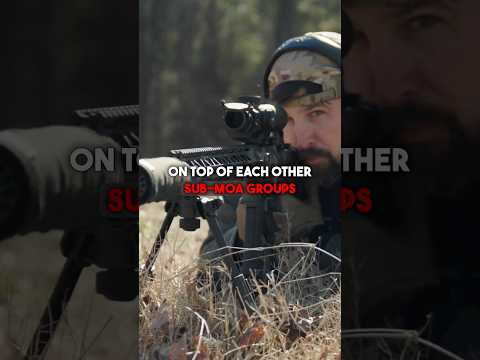
NRA America’s Rifle Challenge: Tips on Using a Sling @ShootingUSA

Published on March 2, 2026
Duration: 3:28

This expert guide from Kyle Lamb of Viking Tactics, presented as part of the NRA America's Rifle Challenge, details essential techniques for using a two-point quick-adjust sling. It covers sling application for stability in prone and kneeling positions, safe transitions between strong and support sides, and maintaining rifle security during sidearm transitions. The instruction emphasizes the sling's role in enhancing rifle control and safety.

Quick Summary

Expert sling use techniques from Kyle Lamb (Viking Tactics) for the NRA America's Rifle Challenge focus on a two-point quick-adjust sling. Learn to tighten the sling for stability in prone/kneeling, ensure safe transitions between shooting sides, and maintain rifle retention when drawing a sidearm.

Chapters

  1. 00:07Introduction to Sling Use
  2. 00:24Two-Point Quick Adjust Sling Explained
  3. 00:45Sling Use While Standing/Prone
  4. 01:17Transitioning and Reslinging Techniques
  5. 01:46Transitioning to Support Side Demonstrated
  6. 02:18Transitioning to Sidearm with Sling
  7. 02:51Alternative Carry and Sling Recommendation

Frequently Asked Questions

What is the primary benefit of using a two-point quick-adjust sling for rifle shooting?

A two-point quick-adjust sling allows for rapid tightening and loosening, enhancing rifle stability in various positions like prone and kneeling. It also aids in safe transitions and maintaining control during dynamic movements or when switching to a sidearm.

How does a sling improve stability when shooting from the prone position?

When shooting prone, tightening the sling by dropping your elbow creates tension that stabilizes the rifle, effectively acting like two extra hands to hold the firearm steady against your body.

What is the recommended method for transitioning to a kneeling position using a sling?

To transition to kneeling, drop your elbow through the sling to rise, then resling the rifle. For shooting, tighten the sling, place your elbow inside your knee, and rotate your arm down to secure the position.

Why is sling attachment side important for transitions?

Attaching the sling to the right side of the buttstock accommodates transitions from the strong side to the support side smoothly, preventing the sling from interfering or 'choking' the user.

Related News

All News →

More Training & Techniques Videos You Might Like

More from NRA

View all →