Panic Firing: What You Need to Know

Published on November 29, 2024
Duration: 2:56

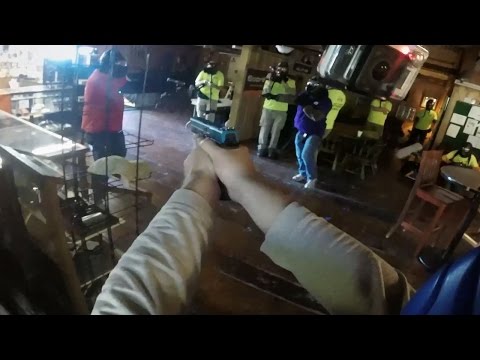
This video discusses the concept of 'panic firing' in a defensive scenario, emphasizing that while accuracy may decrease, maintaining a solid grip and focusing on hitting the target are paramount. It highlights that even with a compromised trigger press under duress, a good grip can compensate significantly. The instructor demonstrates shooting a new HK CC9, noting the importance of practice to achieve good hits even while moving or under stress.

Quick Summary

In panic firing scenarios, a solid firearm grip is crucial for compensating for a compromised trigger press. While perfect accuracy may be challenging, achieving hits on target is paramount. Consistent practice with your firearm helps improve your ability to shoot effectively even under extreme stress.

Chapters

  1. 00:16The Importance of Grip
  2. 00:21Compromised Trigger Press
  3. 00:30Grip, Sights, and Trigger Fundamentals
  4. 01:04Understanding Panic Fire
  5. 01:24Hits on Target Under Stress
  6. 01:30HK CC9 Demonstration
  7. 01:38Practice for Stressful Situations
  8. 01:52Threat Neutralization
  9. 02:10Recap: Grip and Trigger

Frequently Asked Questions

What is 'panic firing' in the context of firearms?

Panic firing refers to the rapid and instinctive shooting of a firearm during a sudden, high-stress defensive encounter. In these moments, the shooter's trigger press may be significantly compromised due to adrenaline and the urgency of the situation.

How can a shooter compensate for a compromised trigger press during panic firing?

A strong, solid grip on the firearm is the primary way to compensate for a compromised trigger press. A good grip helps maintain control of the weapon and can mitigate some of the negative effects of a rushed or jerky trigger pull.

Is it possible to achieve accurate shots during panic firing?

While perfect accuracy like 'A-zone' hits might be difficult during panic firing, the goal is to achieve hits on target. Even less precise hits can be effective in stopping a threat. Consistent practice helps improve accuracy even under stress.

What is the role of practice in defensive shooting scenarios?

Practice is essential for improving your ability to achieve good hits on target, even when moving or under extreme stress. Familiarity with your firearm's trigger and handling characteristics through practice can make a significant difference in a real-world defensive encounter.

Related News

All News →

More Training & Techniques Videos You Might Like

More from Gun Talk Media

View all →