Practical Shooting After Dark EP 137

Published on February 19, 2021
Duration: 23:47

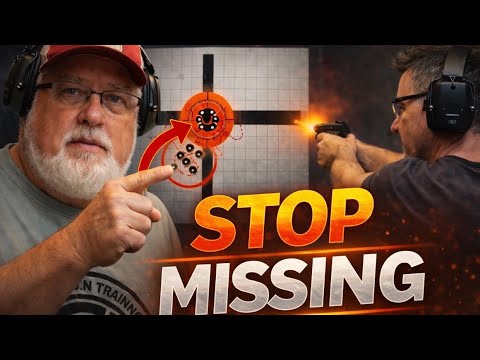
This episode of Practical Shooting After Dark features Ben Stoeger, Joel Park, and Matt Hopkins discussing the current ammunition shortage and its impact on training. They explore adjusting class structures to incorporate more dry fire and discuss the nuances of transitioning between reactive and predictive shooting based on target difficulty rather than just distance. The conversation also touches on improving speed in competition shooting, emphasizing vision and accepting misses as part of the learning process.

Quick Summary

To increase speed in competition, focus on target acquisition and vision, allowing the red dot to appear on target without fixating on it. Embrace misses as part of the learning process when pushing to shoot faster, as this is essential for long-term improvement and achieving better hit factors.

Chapters

  1. 00:00Intro and Ammo Shortage Discussion
  2. 00:56Impact of Ammo Shortage on Classes
  3. 01:11Adjusting Training: More Dry Fire
  4. 02:33Attendance and Class Cancellations
  5. 02:56Theory on Ammo Influx
  6. 04:33Booking Fall Classes
  7. 04:55Joel Park's New Podcast: Training Group Live
  8. 07:32Serious Shooting: Predictive vs. Reactive
  9. 08:04Grip and Gun Behavior Focus
  10. 09:14Transitioning Between Shooting Styles
  11. 10:09Target Difficulty vs. Distance
  12. 11:34Grip Improvement and Predictive Distance
  13. 13:36Red Dot Sights and Confirmation
  14. 14:02Shooting While Moving in Matches
  15. 17:33Trigger Control and Grip Testing
  16. 18:04Question: Speeding Up Competition Time
  17. 18:31The Importance of Going Faster
  18. 19:59Vision and Target Focus for Speed
  19. 21:00Avoiding Over-Confirmation with Dot
  20. 22:25Tips to Speed Up: Embrace Misses
  21. 23:33Podcast Wrap-up

Frequently Asked Questions

How is the current ammo shortage affecting firearms training classes?

The ammo shortage is forcing instructors to adapt by incorporating more dry fire exercises into their classes. This allows students to practice fundamental skills without expending live ammunition, helping to conserve scarce resources while still progressing in their training.

What determines the switch between reactive and predictive shooting?

The transition from reactive to predictive shooting is primarily dictated by target difficulty, such as shooting at partial targets, rather than solely by engagement distance. Target complexity plays a larger role in whether a shooter relies on immediate reaction or a more controlled, predictive approach.

How can competitive shooters increase their stage times?

To improve stage times, shooters should focus on vision and target acquisition, looking at the target and allowing the dot to appear rather than fixating on it. Embracing misses as a learning opportunity and pushing to shoot faster, even if it means making mistakes, is crucial for long-term speed gains.

What is the role of grip in predictive shooting?

Predictive shooting heavily relies on a consistent and proper grip. A solid grip ensures the firearm returns to the same point after each shot, which is essential for accuracy. Unlike 'prep and press' methods, predictive shooting directly tests and reveals the quality of one's grip.

Related News

All News →

More Training & Techniques Videos You Might Like

More from Ben Stoeger

View all →