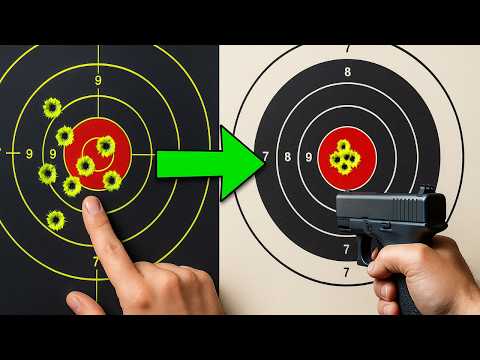
Pranka vs Zero replay of RNL from Jan 2024

Published on March 14, 2024
Duration: 59:17

This video features a discussion between firearms instructors Ben Stoeger and Pranka on the critical differences between range training and real-world application. They emphasize the importance of building a solid foundation in fundamental shooting skills, focusing on mechanics, biomechanics, and the shooter's interaction with the firearm. The conversation highlights how the controlled environment of a shooting range differs significantly from the unpredictable nature of real-world scenarios, stressing the need for logical, evidence-based training that prioritizes understanding the 'why' behind techniques over mere imitation.

Quick Summary

The critical difference between range training and real-world firearms application lies in the environment. Ranges are controlled, 2D, and well-lit, while real-world scenarios are unpredictable, 3D, and often low-light. Effective training must bridge this gap by focusing on logical, evidence-based fundamentals and understanding the 'why' behind techniques, rather than mere imitation or flashy drills.

Chapters

  1. 00:05Introduction
  2. 01:15The Genesis of the Discussion
  3. 02:26Range vs. Reality: The Core Conflict
  4. 07:08Defining Range vs. Reality
  5. 08:50The Disconnect: Competitive Shooter vs. Real-World Application
  6. 10:17Is There Anything Real on the Range?
  7. 12:14Environmental Differences: Range vs. Real World
  8. 13:30Sensory Interaction Differences
  9. 15:01The Four Elements of Shooting
  10. 16:00The Rush to Learn: Common Mistakes
  11. 17:36Building a Solid Foundation
  12. 19:30Improving Training Systems: Logic and Evidence
  13. 21:14Critique of the Check Drill
  14. 22:40Prioritizing One Skill for Application
  15. 23:27Fundamentals of Shooting Explained
  16. 29:27Key Fundamentals: Grip and Trigger Focus
  17. 30:02Assessing Shooters: The Isometric Test
  18. 31:39Reading Students Through Observation
  19. 34:05Safety and Translator Challenges
  20. 35:27Effectiveness of Static Drills
  21. 36:28Starting the Technical Program
  22. 37:01When Do Students Start Shooting?
  23. 38:36Rounds Fired in a Pistol Class
  24. 39:13High-Volume Training Discussion
  25. 40:09Instructor's Control Over Training Pace
  26. 41:03Critique of Expensive Civilian Courses
  27. 42:23The Role of Experience in Training
  28. 43:01Structuring Training Sessions
  29. 44:45Defining the Audience: Professionals vs. Civilians
  30. 45:25Simplifying Complex Matters
  31. 46:28The Importance of 'Why' in Training
  32. 48:08Trainers vs. Shooting Instructors
  33. 51:04Specialization in Firearms Instruction
  34. 53:13Upholding Standards and Innovation
  35. 53:53Consumer Influence on the Industry
  36. 54:17Teaching as a Separate Skill
  37. 55:00Validating Knowledge: Logic vs. Background
  38. 55:34Critique of Specialized Civilian Courses
  39. 56:00Limitations of Training Solutions
  40. 57:32Parting Words and Final Advice
  41. 58:53Conclusion and Appreciation

Frequently Asked Questions

What is the main difference between range training and real-world application of firearms?

The primary difference lies in the environment. Ranges are controlled, 2D, well-lit spaces with minimal sensory input, while real-world scenarios are 3D, unpredictable, often low-light, and involve high sensory engagement, making direct translation of range skills challenging without proper training methodology.

Why is building a solid foundation in shooting fundamentals so important?

A solid foundation in grip, trigger control, and stance mechanics is crucial because it forms the basis for all advanced techniques. Rushing past these fundamentals, as often seen in the industry, leads to inefficient practices, potential safety issues, and a lack of true understanding of firearm manipulation.

How can firearms instructors ensure their training is logical and effective?

Effective instructors must filter all information through logic and scientific evidence, not just personal experience or popularity. They need to explain the 'why' behind techniques, ensuring students understand the principles rather than just imitating actions, which fosters true learning and adaptability.

What are common mistakes in the firearms training industry?

Common mistakes include rushing students past fundamentals, relying on appeal to authority over logic, oversimplifying complex topics, and catering to what consumers want (flashy gear, advanced drills) rather than what they need (solid, adaptable skills). This leads to a disconnect between range performance and real-world effectiveness.

More Training & Techniques Videos You Might Like

More from Ben Stoeger

View all →