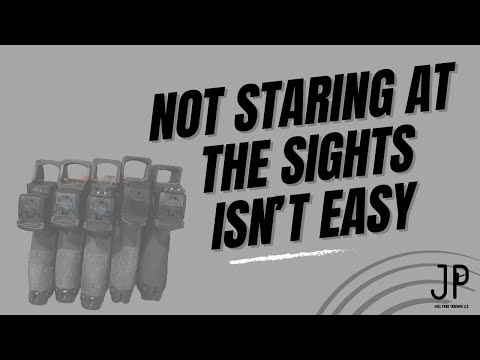
Red Dot or Not?

John "Shrek" McPhee explains that red dot sights are not ideal for concealed carry due to the increased training required for consistent sight acquisition. He emphasizes that proficiency with a red dot demands dedicated practice to overcome the initial challenge of finding the dot upon presentation. For those who train, understanding the consistent point of aim deviation and making micro-corrections is key to mastering the optic.

Quick Summary

Red dot sights are not ideal for concealed carry as they demand more training for consistent sight acquisition. The main challenge is finding the dot upon presentation; without practice, this can lead to over-correction. However, red dots excel at extended distances (100 yards) and are beneficial for hunters, especially with night vision, and for those with vision impairments.

Chapters

  1. 00:03Introduction to Red Dots
  2. 00:21Who Red Dots Are NOT For (Concealed Carry)
  3. 00:34Training Challenges with Red Dots
  4. 00:45Finding the Red Dot: The Core Problem
  5. 01:13Gross Motor Skills and Over-Correction
  6. 01:33Correcting Sight Picture Deviations
  7. 02:10Who Red Dots ARE For (Distance & Vision)
  8. 02:16Red Dots for Hunting and Night Vision
  9. 02:52Summary: Who Benefits from Red Dots

Frequently Asked Questions

Are red dot sights suitable for concealed carry?

According to John "Shrek" McPhee, red dot sights are generally not ideal for concealed carry. They require significantly more dedicated training to master sight acquisition upon drawing. If not properly trained, a red dot can actually hinder performance compared to traditional iron sights in a concealed carry context.

What is the main difficulty when training with a red dot sight?

The primary challenge with red dot sights is consistently and quickly acquiring the dot when drawing and presenting the firearm. Without sufficient practice, the brain may struggle to find the dot, leading to gross motor movements and over-correction, making the shot less accurate.

How can shooters improve their red dot sight acquisition?

To improve red dot sight acquisition, shooters must practice presenting the firearm repeatedly to understand where the dot consistently appears. By identifying any consistent deviation (e.g., always low or to the left), shooters can make small, deliberate corrections to bring the dot onto the target.

When are red dot sights most beneficial?

Red dot sights are most beneficial for shooting at extended distances, such as 100 yards, where they allow for exceptional accuracy. They are also highly advantageous for hunting, especially during night hunts with night vision, and for individuals who have difficulty seeing traditional front sight posts due to vision issues.

Related News

All News →

More Training & Techniques Videos You Might Like

More from Sheriff of Baghdad | John "Shrek" McPhee

View all →