Run and Gun: The Lee-Enfield No.4 Mk.1

Published on August 28, 2018
Duration: 8:38

This video demonstrates a World War 2-themed 'run and gun' drill using a Lee-Enfield No.4 Mk.1 rifle in a woodland setting. Expert instruction from Mike B of TFB TV highlights the challenges and techniques associated with historical firearms and equipment, including reloading with stripper clips and accounting for slower lead ammunition velocities. The drill emphasizes practical application of period shooting skills under simulated stress.

Quick Summary

Expert instructor Mike B of TFB TV demonstrates a WW2-themed run and gun drill with the Lee-Enfield No.4 Mk.1, highlighting historical gear, reloading techniques with stripper clips, and the ballistics of lead ammunition (1700 FPS) versus modern factory loads (2440 FPS).

Chapters

  1. 00:00Introduction & WW2 Theme
  2. 00:39British Army Equipment Details
  3. 01:07Course & Target Setup
  4. 01:35Ammunition & Loading Explained
  5. 01:56Rifle & Costume Specifics
  6. 02:24First Shooting Stage
  7. 03:09Second Shooting Stage & Reload
  8. 03:41Third Shooting Stage & Reload Issues
  9. 04:26Fourth Shooting Stage & Cover
  10. 05:16Post-Run Commentary & Challenges
  11. 06:06Target Review - First Target
  12. 06:23Target Review - Second Target
  13. 06:44Target Review - Third Target
  14. 06:56Target Review - Fourth Target
  15. 07:16Concluding Remarks & Sponsor Thanks

Frequently Asked Questions

What are the key differences in ballistics between lead and factory ammunition for the Lee-Enfield No.4 Mk.1?

Lead ammunition for the Lee-Enfield No.4 Mk.1 travels at approximately 1700 FPS, significantly slower than modern factory ammunition which can reach 2440 FPS. This lower velocity means lead ammunition will drop more, requiring the shooter to aim higher to compensate for bullet trajectory.

What are common challenges when using historical firearms like the Lee-Enfield No.4 Mk.1 in a run and gun scenario?

Challenges include the reliability of older stripper clips for rapid reloading, the comfort and heat retention of period-accurate wool uniforms, and the need to adapt aiming techniques for slower ammunition velocities. These factors require practice and understanding of historical equipment limitations.
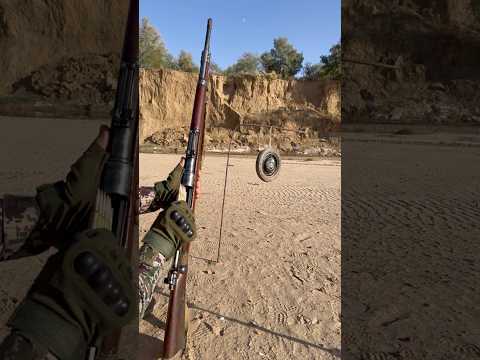
How was the Lee-Enfield No.4 Mk.1 rifle identified in the video?

The rifle was identified as a Lee-Enfield No.4 Mk.1, specifically a Canadian production model manufactured by Long Branch in 1943. Markings on the receiver confirmed its origin and year of production.

What shooting techniques were demonstrated during the Lee-Enfield No.4 Mk.1 drill?

The drill showcased various techniques including engaging targets from cover, reloading on the move, kneeling and standing shots, and 'instinctive shooting' around obstacles. The instructor also highlighted the need to aim high for lead ammunition.

More Training & Techniques Videos You Might Like

More from TFB TV

View all →