SHOOTING SIDEWAYS - can you hit anything?

Published on June 24, 2022
Duration: 7:34

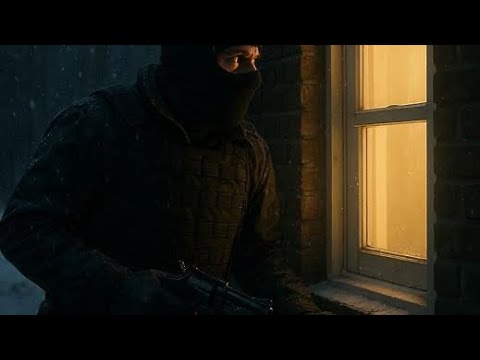
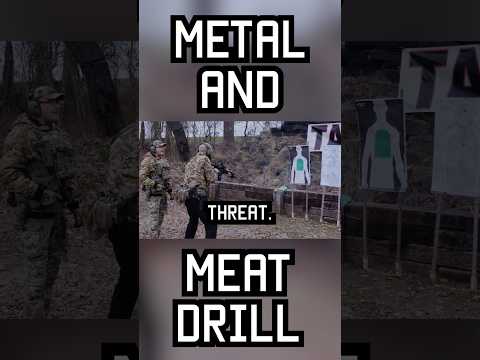
This video investigates the impact of canting a pistol (holding it sideways) on point of aim versus point of impact. The Humble Marksman tests various cant angles (45 and 90 degrees) with different sight systems (red dot and iron sights) across multiple distances. The primary finding is that for most modern firearms, especially those with red dot sights, canting the pistol has minimal effect on accuracy beyond the initial five yards, where mechanical offset becomes more pronounced. However, canting significantly impacts the ability to acquire a proper sight picture with traditional iron sights.

Quick Summary

Holding a pistol sideways (canted) generally has minimal effect on accuracy for firearms with red dot sights beyond 5 yards, where mechanical offset is the primary concern. However, canting significantly hinders accurate sight alignment with traditional iron sights, making it difficult to achieve consistent hits. Shooting at a 90-degree cant also poses a safety risk with ejected brass.

Chapters

  1. 00:00Introduction: Movie Gunplay vs. Reality
  2. 00:32Welcome & Channel Intro
  3. 00:47Understanding Pistol Cant
  4. 01:04Defining Point of Aim (POA) & Point of Impact (POI)
  5. 01:28Test Setup: Targets and Firearms
  6. 01:36Firearm 1: Bull Armory Ultimate Racer (High Optic)
  7. 02:34Testing 45-Degree Cant (Strong Hand Only)
  8. 02:50Results at 5, 10, 20 Yards (Ultimate Racer)
  9. 03:25Testing 90-Degree Cant (Two Hands)
  10. 03:38Firearm 2: Bull Armory SAS II Tak 425
  11. 04:19Firearm 3: Bull Axe Tomahawk (Iron Sights)
  12. 04:50Iron Sight Challenges at 45 Degrees
  13. 05:35Why Iron Sights Are Difficult When Canted
  14. 06:01Iron Sights at 90 Degrees
  15. 06:43Conclusion: The Effect of Canting
  16. 07:01Practical Applications & Takeaways

Frequently Asked Questions

Does holding a pistol sideways affect where the bullet hits?

For most modern pistols, especially those with red dot sights, canting the firearm sideways (up to 90 degrees) has minimal impact on point of aim versus point of impact beyond very close distances (around 5 yards). At this range, mechanical offset is the primary factor. However, canting significantly degrades accuracy with traditional iron sights due to difficulty in sight alignment.

What is mechanical offset and how does it relate to canting a pistol?

Mechanical offset is the distance between the firearm's bore and its sighting system. When a pistol is canted, especially at close range, this offset becomes more pronounced, meaning you must aim slightly above your intended point of impact to compensate for the difference in height over bore.

Is it harder to shoot accurately with iron sights when the pistol is canted?

Yes, it is significantly harder to achieve accurate sight alignment with traditional iron sights when a pistol is canted. The rectilinear nature of iron sights makes it difficult to maintain equal height and equal light between the front and rear sights when they are not perpendicular to the ground.

Are there any safety concerns when shooting a pistol canted at 90 degrees?

Yes, a significant safety concern when shooting a pistol canted at 90 degrees is that ejected brass can land on the shooter's head, which is undesirable and potentially hazardous. This is a practical consideration beyond the accuracy of the shot itself.

More Training & Techniques Videos You Might Like

More from TheHumbleMarksman

View all →