Shooting Steel Safely

Published on September 10, 2016
Duration: 15:27

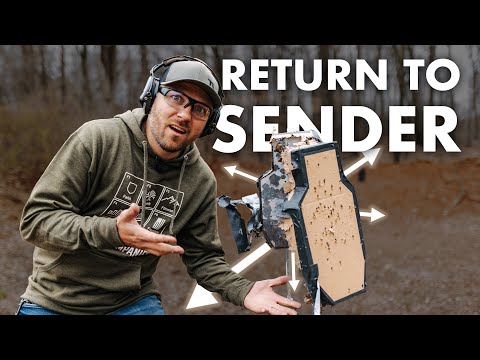
Shooting steel targets requires strict safety protocols to mitigate risks like splashback and ricochets. Using AR500 hardened steel, maintaining proper distances (11 yards for handguns, 100 yards for rifles), and wearing wrap-around eye protection are crucial. Swinging targets are preferred as they deflect fragments downward, while cratered mild steel poses a significant hazard.

Quick Summary

The main safety concern when shooting steel targets is splashback or ricochets. Use AR500 hardened steel, maintain safe distances (11 yards for handguns, 100 yards for rifles), and always wear wrap-around eye protection. Swinging targets are preferred for safer fragment deflection.

Chapters

  1. 00:00Introduction to Steel Safety
  2. 01:45Evolution of Target Design
  3. 03:35The Advantage of Swinging Targets
  4. 05:20Steel Hardness (AR500)
  5. 06:20Distance and Demonstration
  6. 11:00Rifle Considerations
  7. 13:15Final Safety Tips

Frequently Asked Questions

What is the main safety concern when shooting steel targets?

The primary danger is splashback or ricochets, where bullet fragments can bounce back towards the shooter. This makes high-quality, wrap-around eye protection absolutely essential for anyone on the range.

What type of steel is best for shooting targets?

AR500 hardened steel is highly recommended over mild steel. AR500 remains flat and deflects fragments to the sides, whereas mild steel can crater, creating a surface that may flip bullets back at the shooter.

What are the recommended safe distances for shooting steel targets?

For handguns, a minimum distance of 11 yards is advised, following competition standards. For high-powered rifles like .308, a minimum of 100 yards is recommended to prevent target damage and ensure safety.

Are swinging steel targets safer than static ones?

Yes, swinging or hanging steel targets are considered safer. They 'give' upon impact, naturally directing bullet fragments downward and away from the shooter, unlike static flat plates which can have more unpredictable deflection.

More Training & Techniques Videos You Might Like

More from hickok45

View all →