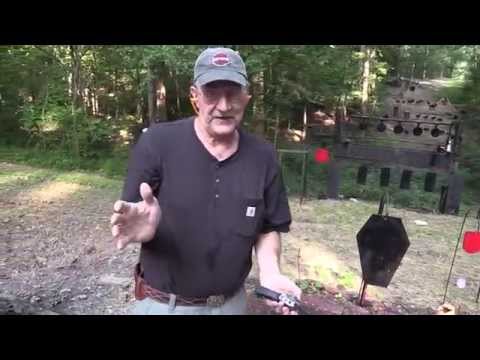
Shooting the gun I carry most. My Taurus Model 85 in .38 Special +P

Published on December 30, 2017
Duration: 6:03

Joel Persinger, a seasoned firearm instructor, emphasizes the critical importance of practicing with your everyday carry (EDC) firearm. He demonstrates techniques for adapting to vision changes and advocates for training at various distances, even with smaller firearms like snubnose revolvers. The guide highlights that proficiency with your carry gun is paramount for self-defense.

Quick Summary

Joel Persinger, a firearm instructor, stresses practicing with your everyday carry (EDC) firearm at various distances, even 15-25 yards, to build proficiency. He also advises adapting to vision changes by painting sights or shooting cross-dominant, emphasizing that regular practice with your chosen carry gun is vital for self-defense readiness.

Chapters

  1. 00:14Introduction and Love for Revolvers
  2. 00:42Everyday Carry: Taurus Model 85
  3. 01:06Adapting to Vision Changes
  4. 01:23Advantages of the Snubby Revolver
  5. 02:14Importance of Practice with Carry Gun
  6. 02:43Practicing at Various Distances
  7. 03:41Caliber and Practice Philosophy
  8. 03:57My Most Carried and Practiced Guns
  9. 04:16Capacity and Speedloaders
  10. 04:43Final Practice Advice

Frequently Asked Questions

What are the advantages of carrying a Taurus Model 85 revolver?

The Taurus Model 85, especially the all-steel version, is favored for its reliability, concealability, and relative light weight. Its snubnose design makes it easy to carry in pockets or holsters, and revolvers are generally less sensitive to ammunition types compared to some semi-automatics.

Why is practicing at longer distances important for concealed carry?

Practicing at longer distances, such as 15 or 25 yards, with your concealed carry firearm builds fundamental marksmanship skills. If you can accurately hit targets at these distances, you will be more confident and capable of hitting targets at closer, self-defense ranges.

How can shooters adapt to declining eyesight for firearm accuracy?

Shooters experiencing declining eyesight can adapt by painting their sights for better visibility or by learning to shoot cross-dominant (using the non-dominant eye). These techniques help maintain aiming precision even as natural vision deteriorates.

What is the significance of practicing with your specific everyday carry (EDC) firearm?

It is crucial to practice with the exact firearm you intend to carry for self-defense. This ensures familiarity with its trigger, handling, and recoil, making you proficient and confident in its use during a critical incident, regardless of its size or capacity.

Related News

All News →

More Training & Techniques Videos You Might Like

More from GunGuyTV

View all →