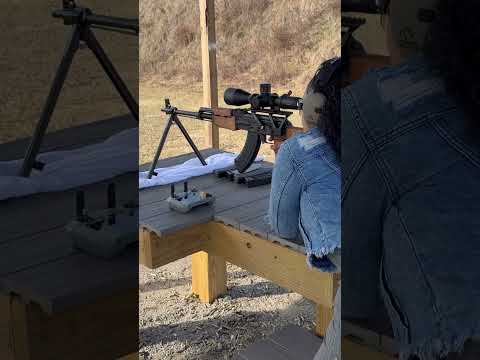
Shooting Tip | Shooting Bench Techniques

Published on July 22, 2014
Duration: 7:11

This video from Gunwerks, featuring owner Aaron Davidson, details four critical techniques for achieving consistent vertical groups in long-range shooting. Key methods include precise rear bag placement directly under cheek pressure, establishing a solid cheek weld by anchoring the jawline for vertical eye alignment, allowing the rifle to free recoil without obstruction, and maintaining follow-through by holding trigger pressure and visualizing impact. Proper parallax adjustment for each range is also emphasized as crucial for consistency.

Quick Summary

For consistent vertical groups in long-range shooting, place the rear bag directly under your cheek pressure point. Anchor your jawline to the stock for vertical eye alignment, allow the rifle to recoil freely without obstruction, and maintain follow-through by holding trigger pressure after the break.

Chapters

  1. 00:00Introduction: Consistent Vertical Groups
  2. 00:38Rear Bag Placement Techniques
  3. 01:31Cheek Weld and Eye Alignment
  4. 03:16The Importance of Free Recoil
  5. 04:04Proper Follow Through Method
  6. 06:25Parallax Adjustment Explained

Frequently Asked Questions

What is the correct placement for a rear shooting bag?

The rear bag should be positioned directly below where you apply cheek pressure to the rifle stock. This ensures solid contact and prevents torque during recoil, which can otherwise affect your point of impact.

How can I achieve better vertical eye alignment with my scope?

Anchor your jawline against the stock rather than your cheek. This allows for micro-adjustments in your head position, enabling you to perfectly align your eye with the scope's optical axis for consistent aiming.

Why is free recoil important in long-range shooting?

Free recoil allows the rifle to move straight back naturally after firing. If the rifle is held too tightly or catches on a rest, it disrupts barrel harmonics and recoil reaction before the bullet exits, negatively impacting accuracy.

What is the proper follow-through technique for rifle shooting?

Maintain trigger pressure after the shot breaks, keep the gun shouldered, and visualize the bullet's impact. Only release trigger pressure and move after the rifle has cycled or you've confirmed the shot's result.

More Training & Techniques Videos You Might Like

More from Gunwerks

View all →