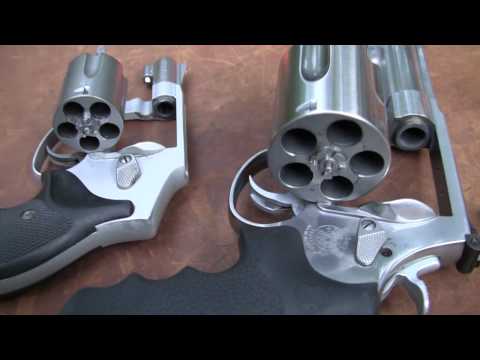
Should You Load Five, Or Should You Load Six? (Single Action Basics)

Published on September 18, 2013
Duration: 8:54

Hickok45, demonstrating high expertise, explains the critical safety difference between loading five or six rounds in a single-action revolver. He illustrates how older designs lack safety mechanisms, making hammer strikes on chambered rounds dangerous. Modern revolvers with transfer bars mitigate this risk, but the practice of loading five rounds remains a sound safety culture element, particularly in competitive shooting like Cowboy Action Shooting.

Quick Summary

Loading five rounds in a six-shot single-action revolver is a crucial safety practice, especially with older models lacking modern safety features like transfer bars. This prevents the hammer from resting on a live primer, mitigating the risk of accidental discharge from hammer impact. Modern revolvers typically incorporate these safety mechanisms, making six rounds safe.

Chapters

  1. 00:00Introduction & Colt SAA Demo
  2. 00:36The 5 vs. 6 Round Debate
  3. 01:19Safety Demo: Hammer Strike Risk
  4. 03:31Mechanical Explanation: Firing Pin
  5. 05:40Modern Safety Features (Transfer Bar)
  6. 07:36Range Habits & Conclusion

Frequently Asked Questions

Why do some shooters load only five rounds in a six-shot revolver?

Loading five rounds in a six-shot revolver, particularly single-action models, is a safety practice. It ensures the hammer never rests directly on a live primer, preventing accidental discharge if the hammer is struck, especially in older designs without modern safety mechanisms like transfer bars.

Are modern single-action revolvers safe to load with six rounds?

Yes, most modern single-action revolvers, like those from Ruger or newer Smith & Wesson models, feature safety mechanisms such as transfer bars or hammer blocks. These prevent the firing pin from striking the primer unless the trigger is intentionally pulled, making it safe to load and carry all six rounds.

What is the risk associated with loading six rounds in an old single-action revolver?

In older single-action revolvers lacking modern safety features, the firing pin rests directly on the primer when the hammer is down on a chambered round. An accidental strike to the hammer could cause the firearm to discharge.

What is a transfer bar safety mechanism?

A transfer bar is a safety device found in many modern revolvers. It sits between the hammer and the firing pin and only rises to allow firing when the trigger is pulled, preventing the hammer from directly striking the primer under normal circumstances.

Related News

All News →

More Training & Techniques Videos You Might Like

More from hickok45

View all →