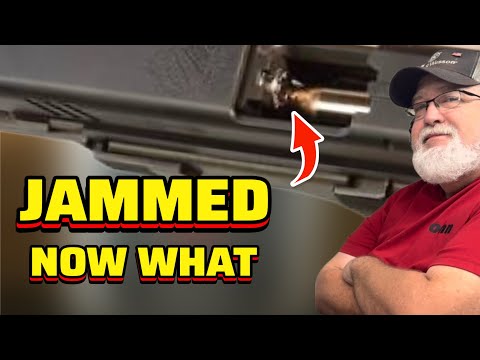
Should You Still Carry A Handgun After A Malfunction?

Published on April 8, 2024
Duration: 8:46

This guide outlines how to respond to common handgun malfunctions, emphasizing the importance of identifying the malfunction type, performing appropriate clearing drills, and understanding when to transition to a backup or seek professional gunsmithing. It highlights that while most malfunctions are minor and fixable, serious issues require careful evaluation of the firearm's continued suitability for carry, with preventive maintenance and ammunition testing being crucial for reliability.

Quick Summary

Handgun malfunctions, such as Failure to Feed or Eject, require specific clearing drills like the tap-rack-bang. Serious issues necessitate professional gunsmithing and thorough testing before resuming carry. Preventive maintenance and testing defensive ammunition are key to ensuring reliability.

Chapters

  1. 00:00Introduction to Firearm Malfunctions
  2. 00:18Initial Reliability Testing
  3. 00:31Glock 29 Malfunction Incident
  4. 01:09SIG P365 Serious Malfunction
  5. 01:31Glock 29 Malfunction Details
  6. 02:07Evaluating Glock 29 for Carry
  7. 02:35Magazine and Maintenance Factors
  8. 03:19Hypothetical Hellcat Malfunction Response
  9. 03:48Importance of Preventive Maintenance
  10. 04:20Distinguishing Malfunction Types
  11. 04:58Light Primer Strikes and Defensive Ammo
  12. 05:47P365 Malfunction Cause
  13. 06:07Carrying After Unfixable Malfunction
  14. 07:05Springfield XD-S Guide Rod Issue
  15. 07:48Trust and Testing for Carry Decisions

Frequently Asked Questions

What are the common types of handgun malfunctions?

Common handgun malfunctions include Failure to Feed (FTF), where a round doesn't chamber; Failure to Eject (FTE), where a spent casing doesn't exit; and Light Primer Strikes (LPS), where the firing pin doesn't ignite the round. More serious issues involve broken parts like guide rod springs.

How should I respond to a handgun malfunction during a defensive encounter?

If a malfunction occurs during a defensive encounter, attempt a tap-rack-bang drill for simple stoppages. If the malfunction is severe or unfixable, transition to a backup firearm if available and continue to assess the situation.

When is it safe to carry a handgun again after it has malfunctioned?

Carrying a handgun after a malfunction depends on its type and severity. Minor issues like FTFs can often be resolved with clearing drills. However, serious mechanical failures require professional diagnosis and repair, and the firearm's reliability must be re-established through thorough testing before resuming carry.

What role does preventive maintenance play in handgun reliability?

Preventive maintenance is crucial for handgun reliability. Regular cleaning, lubrication, and inspection for wear on components like guide rod springs can prevent malfunctions. Consulting a gunsmith for periodic checks and part replacements based on round count is also recommended.

Why is testing defensive ammunition important?

Testing defensive ammunition is vital because handguns must reliably fire the rounds intended for self-defense. Defensive ammunition often uses harder primers, and a firearm that fails to ignite these can be a critical liability. Testing ensures your chosen defensive load functions consistently in your specific firearm.

More Training & Techniques Videos You Might Like

More from SPN Firearms

View all →