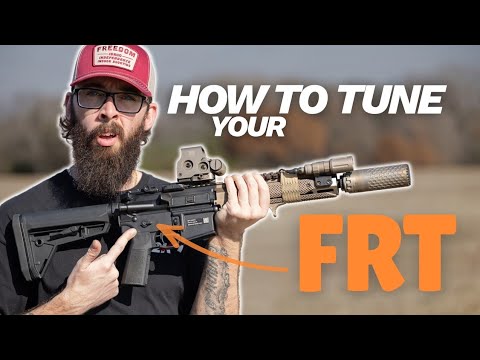
This video explores various FRT (Forced Reset Trigger) rifle setups across different budget points, from basic to high-end. It demonstrates how to tune these rifles for optimal performance, focusing on the impact of adjustable gas blocks and buffer weights. The presenter, with clear expertise in firearm mechanics and tuning, highlights how even budget-friendly setups can achieve impressive results with proper adjustments, making FRT rifles more accessible and enjoyable to shoot.
This guide provides expert-level troubleshooting steps for common issues encountered with 300 Blackout FRT (Firearm Research & Technology) setups, drawing on hands-on testing and component analysis. It covers buffer weight, spring selection, ammunition variability, suppressor interaction, and feed ramp polishing, offering practical solutions for achieving reliable function. The instruction emphasizes a methodical approach to diagnosing and correcting malfunctions in direct impingement AR-15 platforms chambered in .300 Blackout.
This guide details the installation of an adjustable buffer weight for 9mm PCCs, a crucial modification for managing reciprocating mass. The video highlights ODIN WORKS' new buffer, which allows for tuning up to 10.6 oz with tungsten weights. Proper installation ensures smoother operation and reliability in pistol-caliber carbines.
This guide details the process of tuning an AR-9 style platform, specifically a Daniel Defense PCC, to reliably function with the ARC Fire trigger system. It covers essential modifications like dremeling the bolt carrier, selecting appropriate buffer and spring combinations, and testing with subsonic ammunition. The expert-level insights highlight the trial-and-error involved in achieving optimal performance on a blowback system.
This guide details how to troubleshoot and tune an AR-15 equipped with a Forced Reset Trigger (FRT) that experiences a 'one click' failure. Expert instructor Brody from Juicey Media explains the importance of BCG velocity and dwell time, demonstrating how buffer weights, springs, and buffer systems like the VLTOR A5 can resolve cycling issues, especially when using suppressors. The video emphasizes that each rifle requires individual tuning to find its optimal 'sweet spot' for reliable FRT operation.
This video provides an in-depth analysis of AR-15 buffer weights and their role in managing gas system dynamics, particularly in overgassed or improperly gassed firearms. The instructor, with extensive experience in military and manufacturer settings, explains how buffer weights affect bolt velocity, carrier bounce, and overall firearm reliability. He emphasizes that buffers are for mechanical tuning, not recoil management, and advises on selecting appropriate weights based on ammunition type and firearm configuration to ensure optimal function across various conditions.
This review of the Griffin Armament MK2 9mm PCC highlights its direct blowback operation and the potential for increased recoil, especially when suppressed. The video offers insights into tuning the buffer system with heavier weights and springs to manage this recoil. It also touches on the effectiveness of different ammunition types and the platform's features like its two-stage trigger and ambidextrous controls.
This review of the Daniel Defense PCC9, presented by Roger Barrera of QVO Tactical and featuring USPSA Grandmaster Marco, highlights its robust build and ambidextrous controls. While praised for its solid construction and flared magwell, the stock trigger is identified as a significant drawback for competitive use, being heavy and requiring immediate replacement. The PCC exhibits direct blowback recoil, which Marco suggests can be tuned with buffer and spring adjustments. Accuracy is deemed good, with sub-MOA potential at 25 yards, and it performed reliably with FMJ ammunition, though a single failure to feed occurred with hollow points. The high price point is a recurring concern, with experts suggesting it's steep for the current market, especially considering the need for aftermarket trigger upgrades.
This guide details how to tune an AR-15 platform firearm when using a dual ejector bolt. Dual ejector bolts can require adjustments to the buffer weight and spring to ensure proper cycling and bolt lock-back. The expert instruction emphasizes starting with lighter components if issues arise and testing thoroughly.
This video focuses on addressing and mitigating rifle over-gassing issues by analyzing and suggesting modifications to the bolt carrier group (BCG) and buffer system. It aims to provide practical solutions for firearm owners experiencing problems related to improper gas port functioning.
This guide, based on expert instruction from Classic Firearms, details how to select and tune the appropriate buffer weight for AR-15 platforms. It emphasizes using ejection patterns to diagnose gas system issues and recommends specific buffer weights for different barrel lengths and suppression configurations. Heavier buffers are shown to mitigate over-gassing and reduce felt recoil, particularly in shorter-barreled rifles.
This guide details the construction and tuning of a custom Lone Wolf G9 SBR suppressed build. It covers component selection, including the lower receiver, upper receiver, trigger, stock, barrel, and suppressor, emphasizing the importance of proper buffer system tuning for 9mm blowback AR platforms. The build demonstrates high performance with various ammunition types and offers a cost-benefit analysis against factory alternatives. The expertise of the instructors highlights the nuances of custom NFA builds.
You've reached the end! 12 videos loaded.
Gun Laws by State
Read firearms regulations for all 50 states + D.C.
Find Gun Dealers
Search licensed FFL dealers near you.